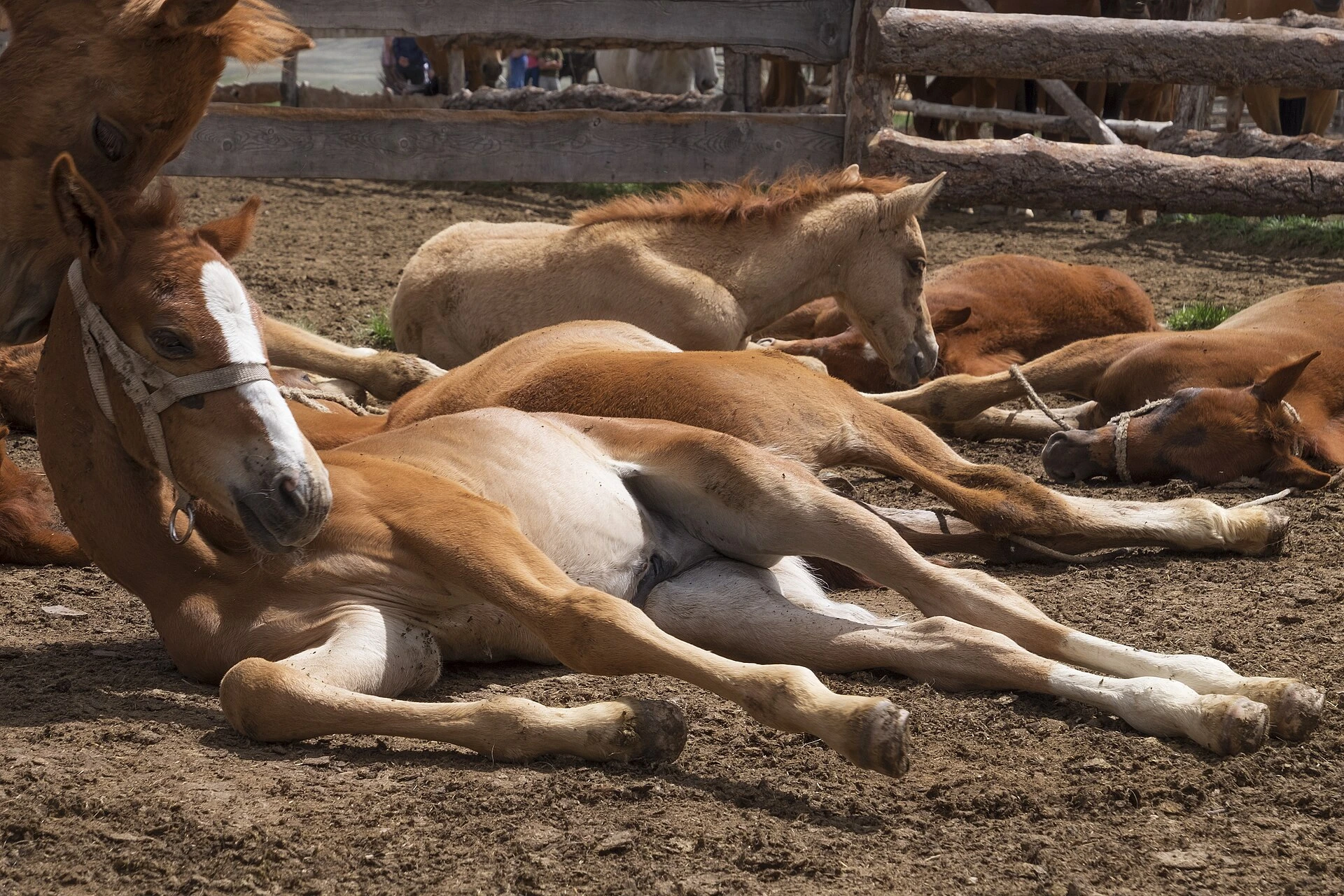
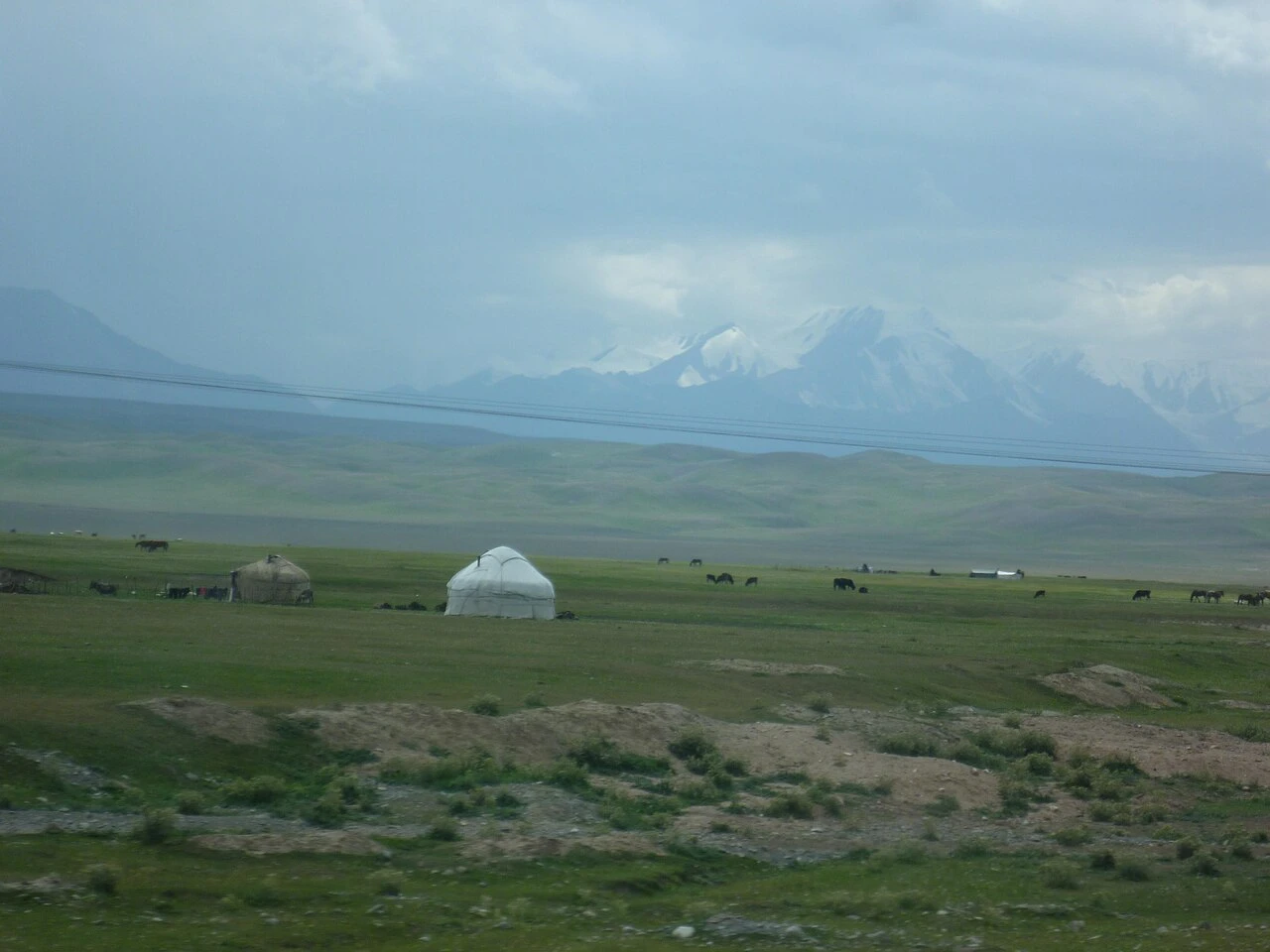
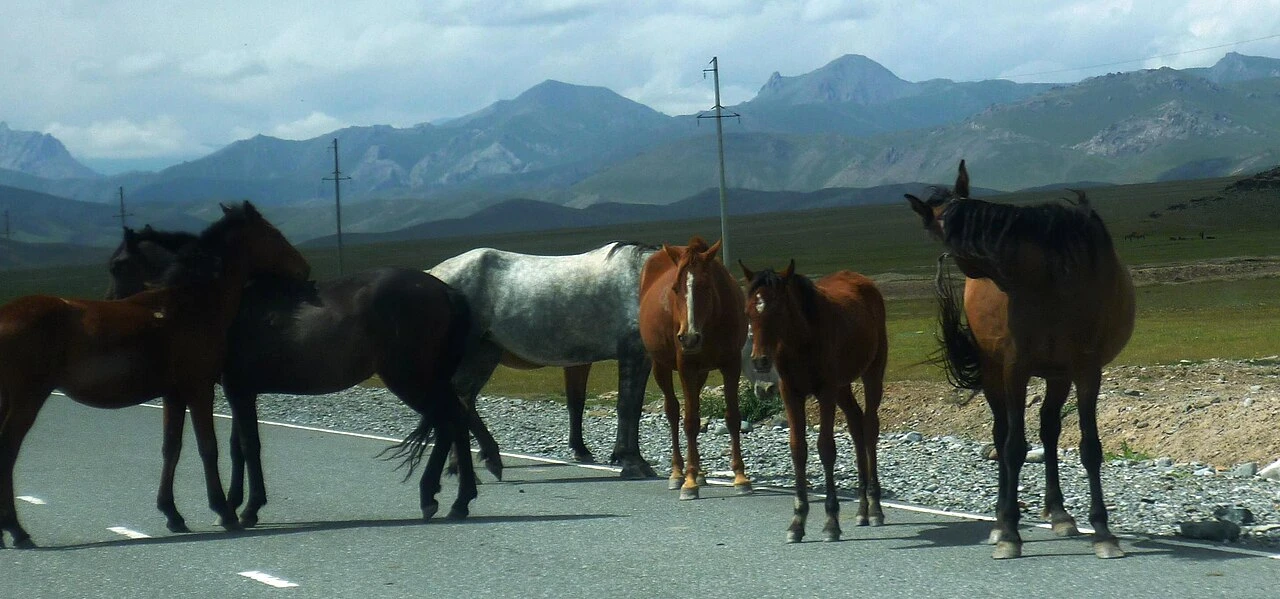
Central Asian food is more varied than the familiar image of a travelling pastoral camp. Mountain grazing, irrigated valleys, orchards and urban markets supported different ways of eating. Contemporary traditions in Kazakhstan, Kyrgyzstan, Uzbekistan, Tajikistan and neighbouring areas reflect these environments. Describing the region as one timeless national cuisine obscures the relationships among communities and the changes that shaped their food.
Livestock supplied ingredients that required practical processing, while cultivated land provided grains and vegetables. Trading places brought these resources together. A rice dish combining meat, carrots and cooking fat therefore expresses relationships between environments as well as between people. Culinary exchange did not depend only on distant caravans; nearby farmers, herders and town residents also helped connect different food supplies.
Flatbread offers a well documented example of shared knowledge. The UNESCO inscription covering lavash, katyrma, jupka and yufka includes Kazakhstan and Kyrgyzstan alongside other participating countries. Preparing and cooking the dough can involve coordinated household labour. Bread belongs to ordinary meals and significant occasions alike. Shared recognition does not erase differences in names, thickness, equipment or the meanings attached to serving it.
Uzbek palov and Tajik oshi palav have separate UNESCO records. Both link a substantial rice dish with hospitality, transmission of knowledge and community relationships. Their similarities should invite comparison without collapsing them into one identical tradition. A communal pot can express broad regional connections while preserving the choices of an individual neighbourhood, cook or family. That balance makes the traditions especially interesting.
At the heart of the table
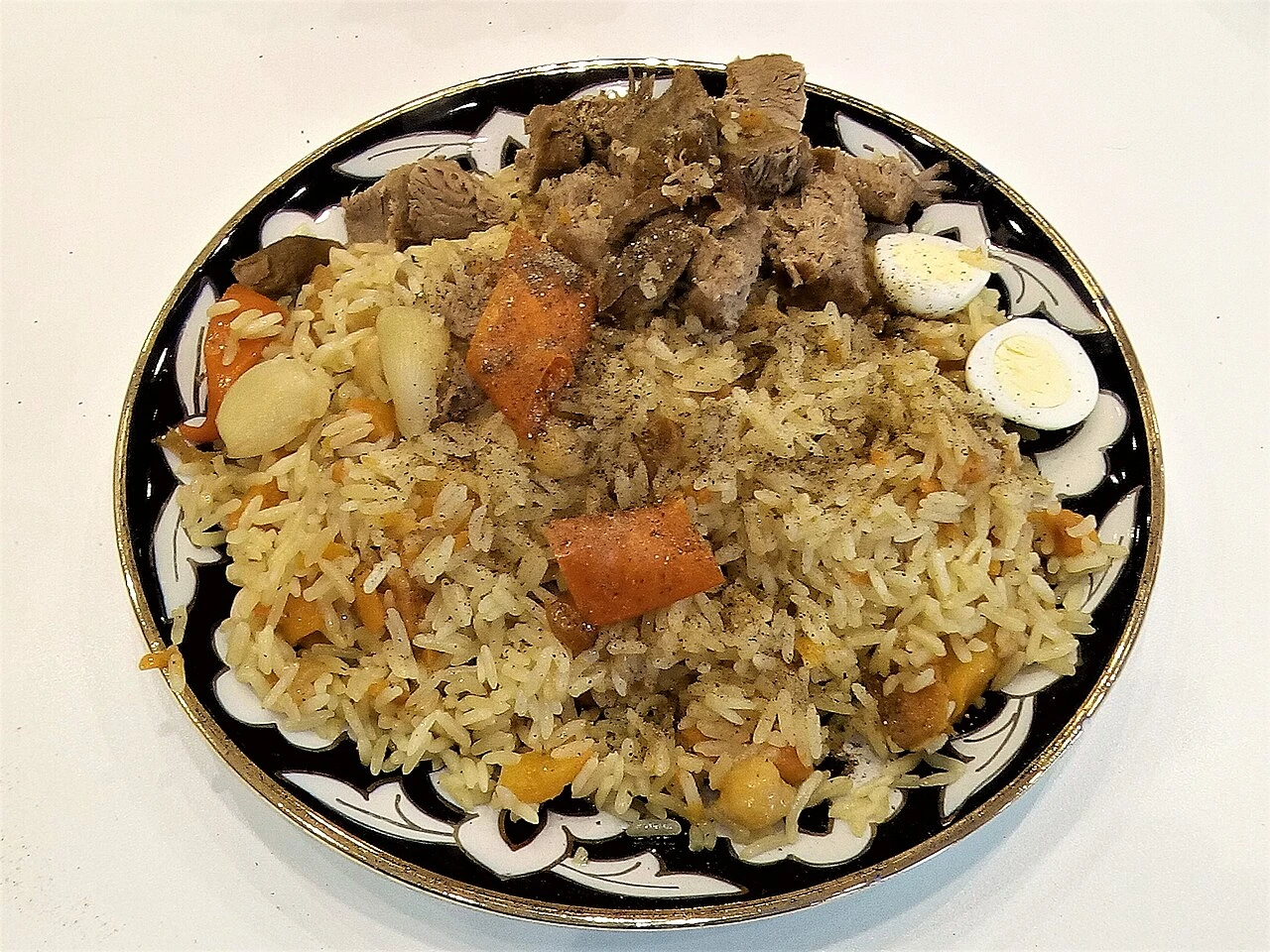
Palov
In Uzbekistan, rice, meat, carrots and onions form the basis of many preparations. Palov accompanies ordinary meals as well as important gatherings. Cooking knowledge passes between generations, while differences in ingredients and method give local versions their character.
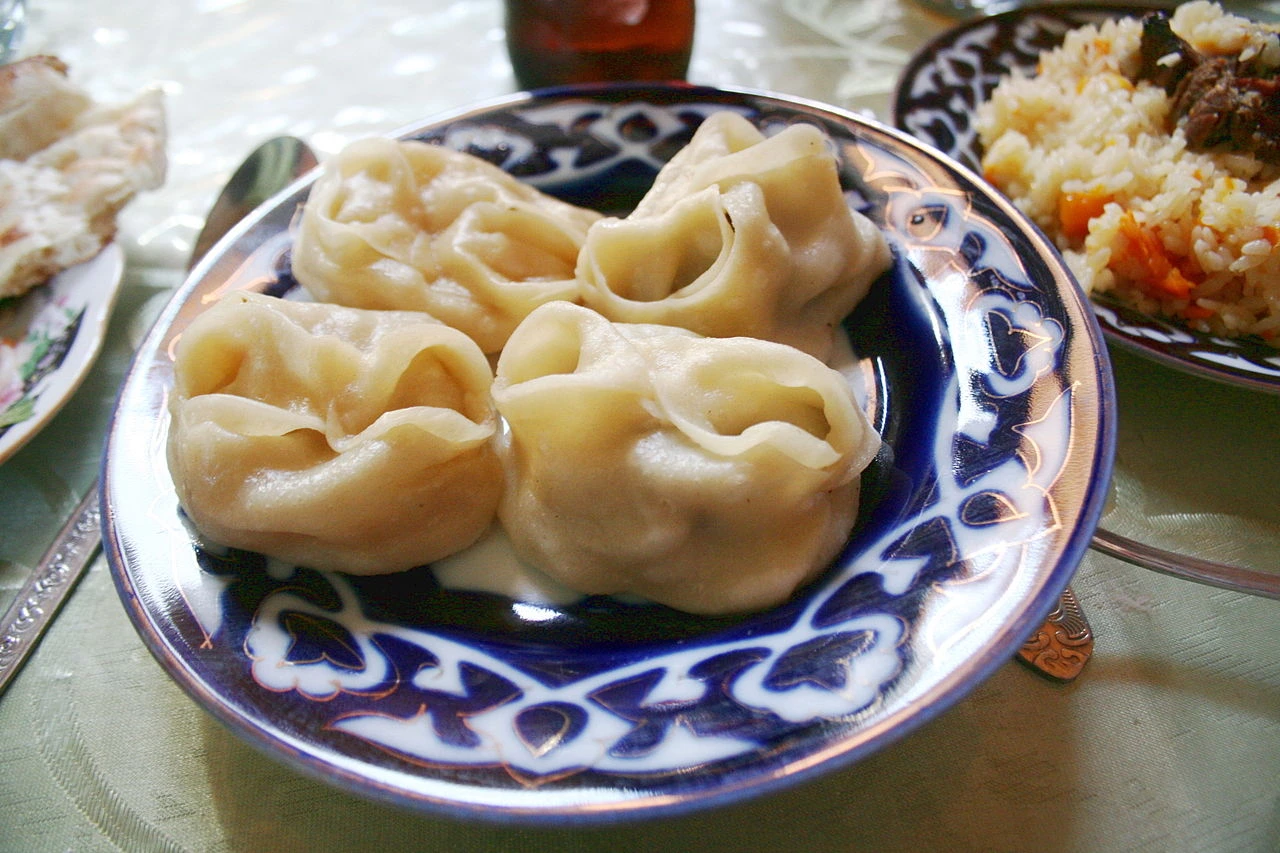
Manti
Steamed filled dough is a familiar Central Asian preparation. Size, filling and folding patterns vary between communities. Connections with Turkish mantı invite comparison, but a small boiled dumpling and a larger steamed version offer different eating experiences.
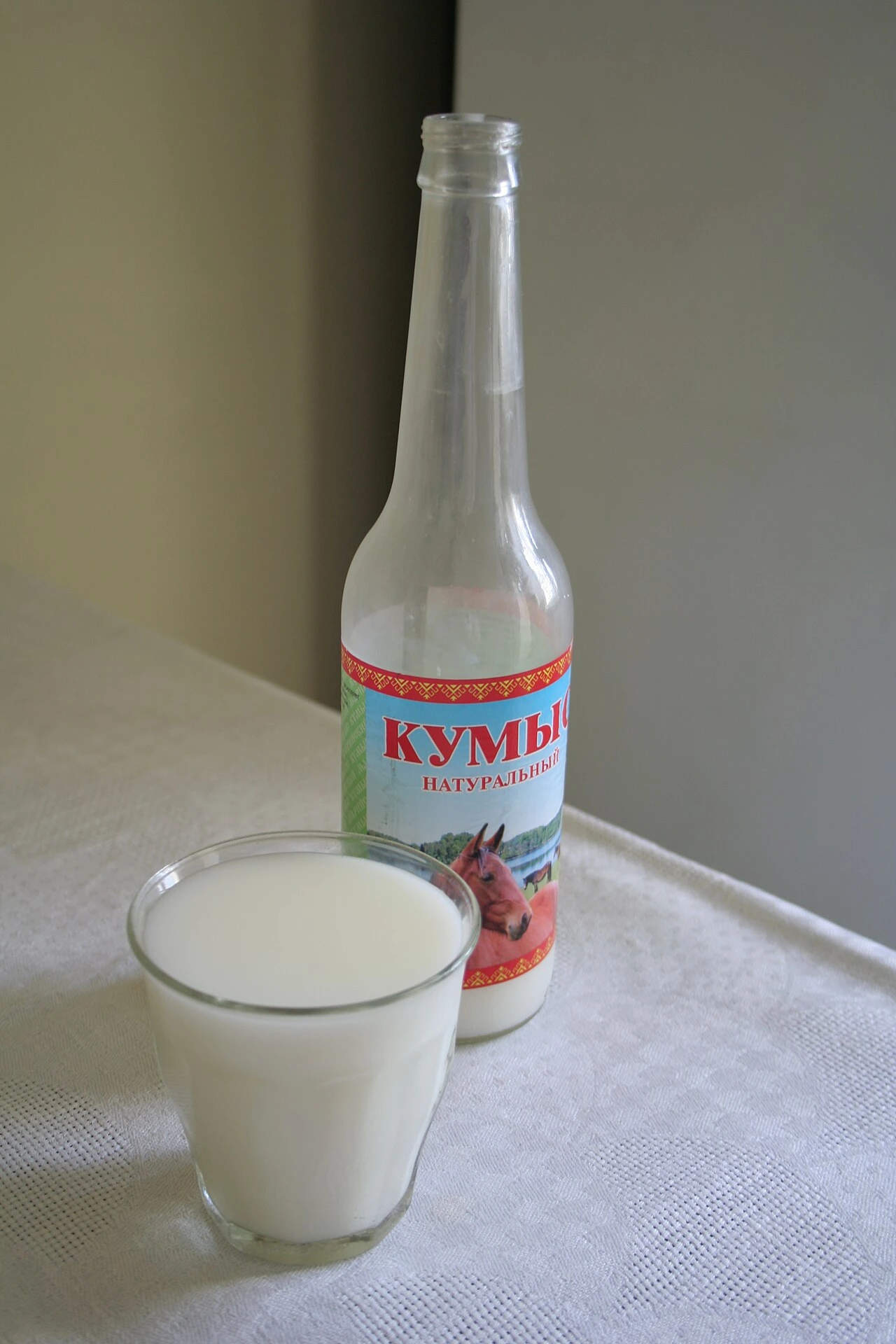
Kumys
Fermented mare’s milk connects dairy production with horse breeding. The sharing of the first kumys forms part of documented Kazakh spring traditions. This beverage demonstrates how seasonal work and community celebration can meet around one distinctive product.
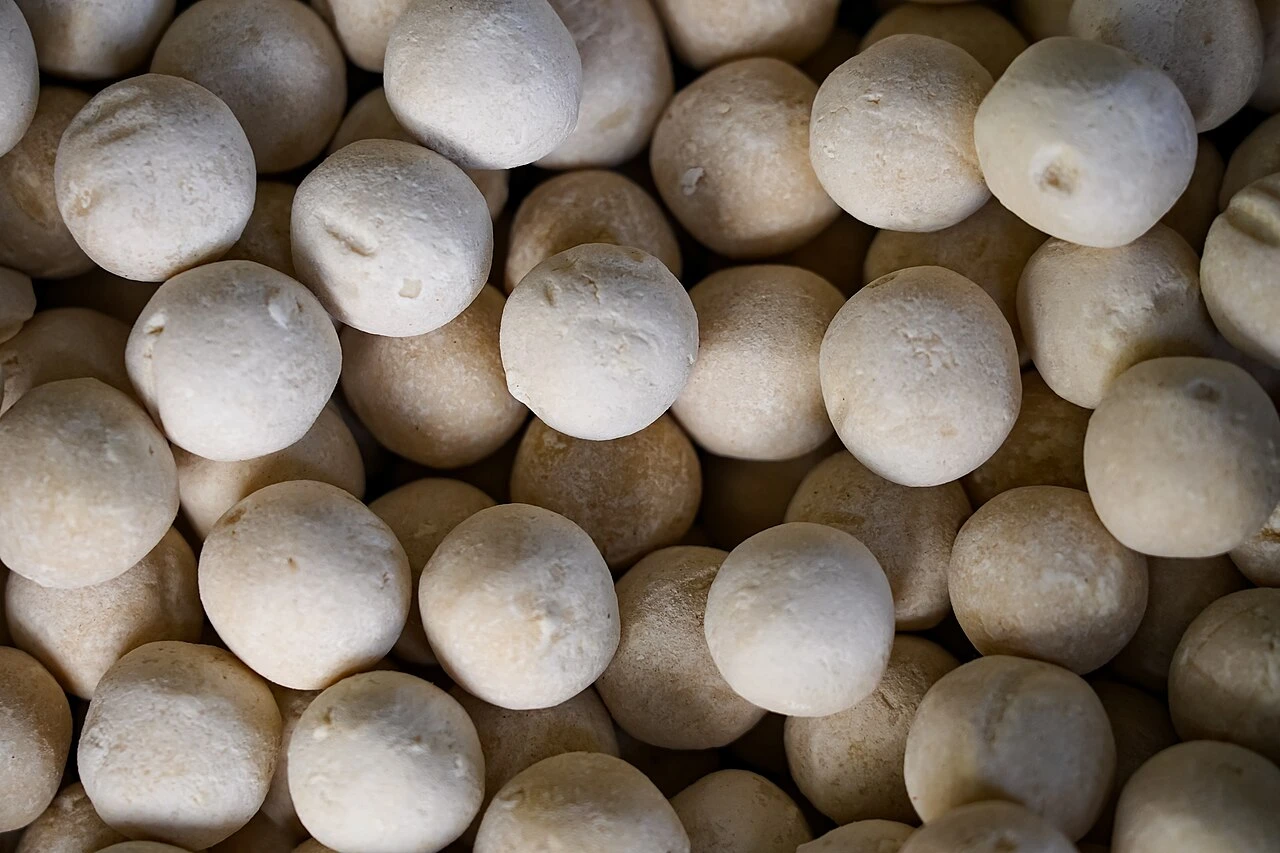
Kurut
Dried dairy preparations known by this name turn processed milk into compact provisions. Shapes, saltiness and textures vary. Their usefulness for storage and transport helps explain their place within food cultures connected with livestock and seasonal production.
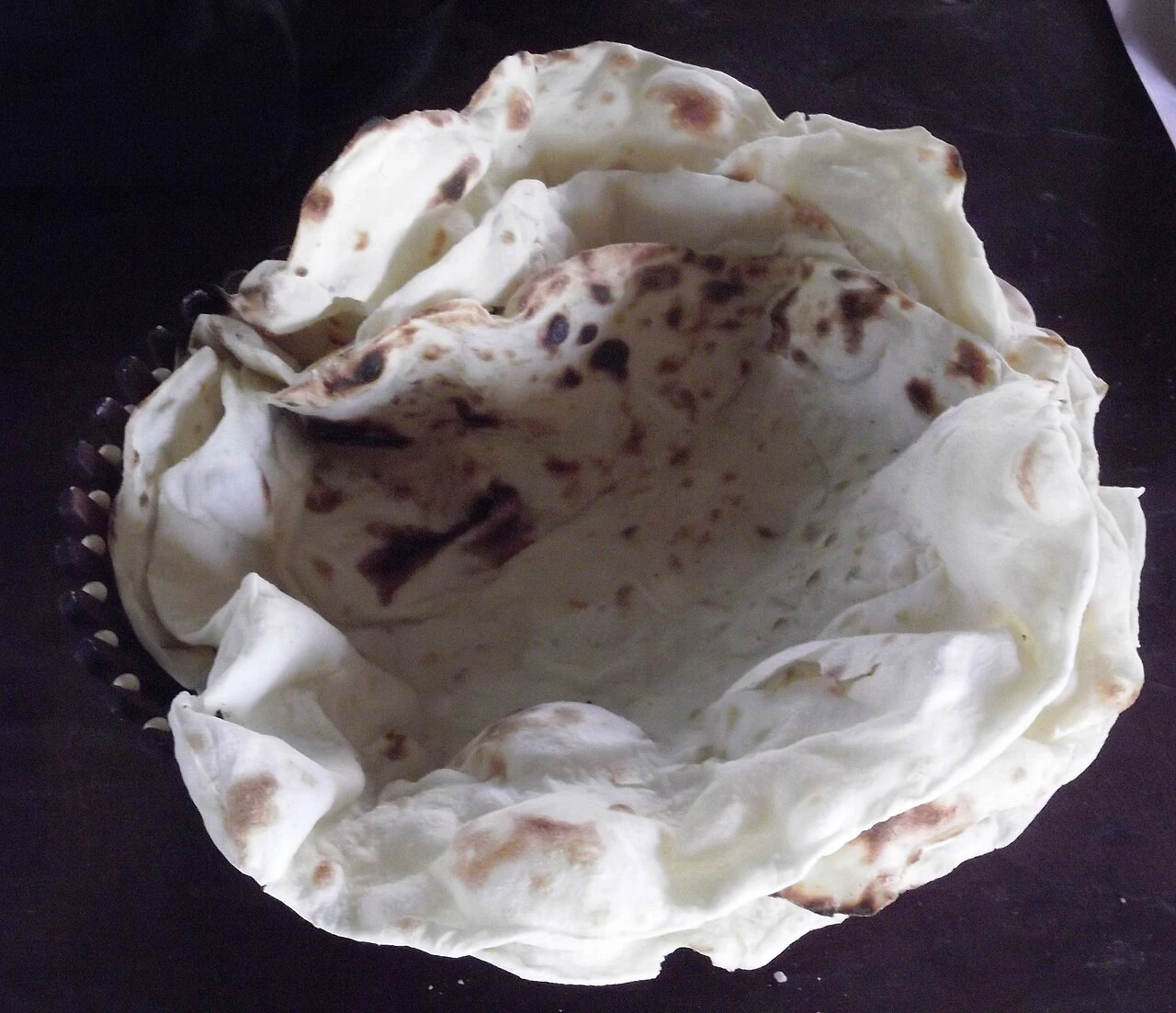
Katyrma
One of the names included in the shared flatbread inscription, katyrma points towards skilled dough work and collective preparation. Spellings and local usages differ. Understanding the bread involves observing its makers and the circumstances in which it is shared.
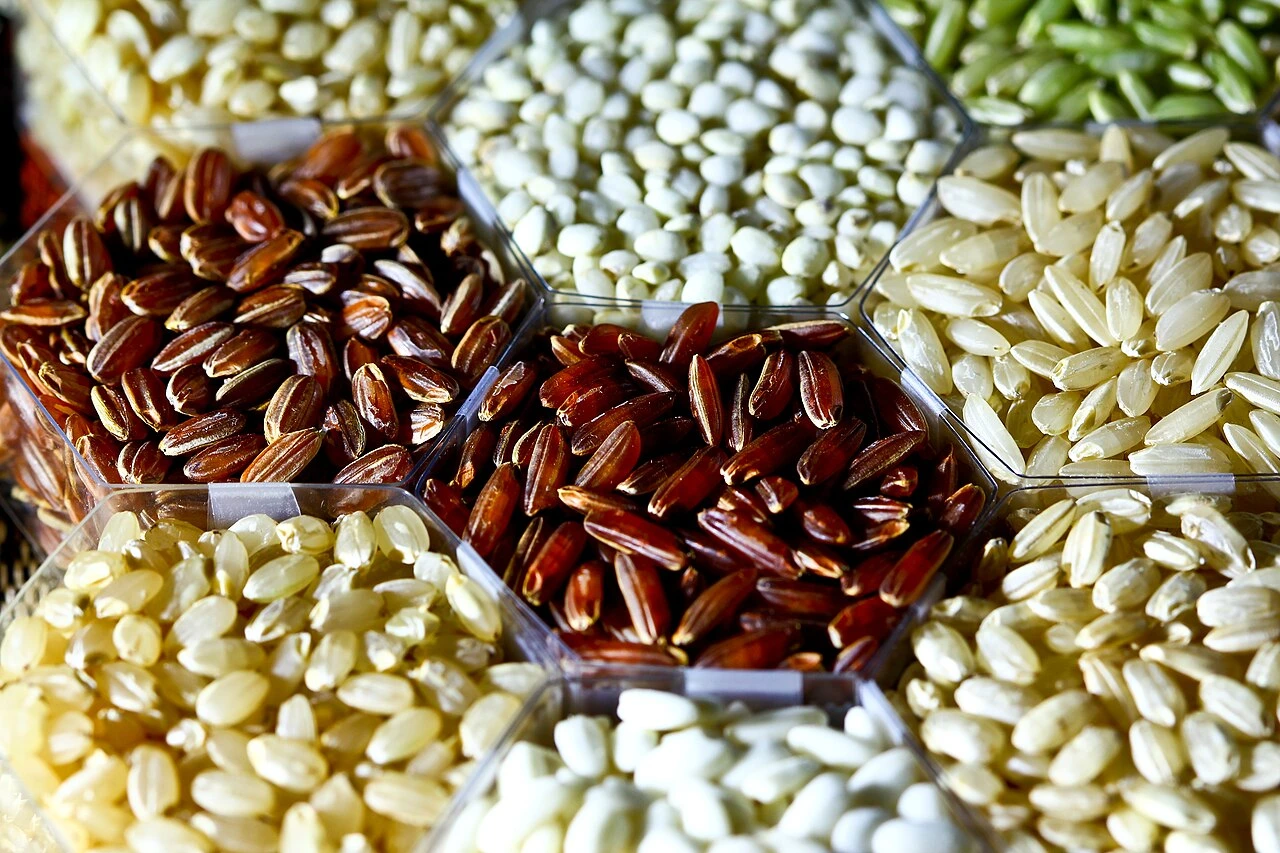
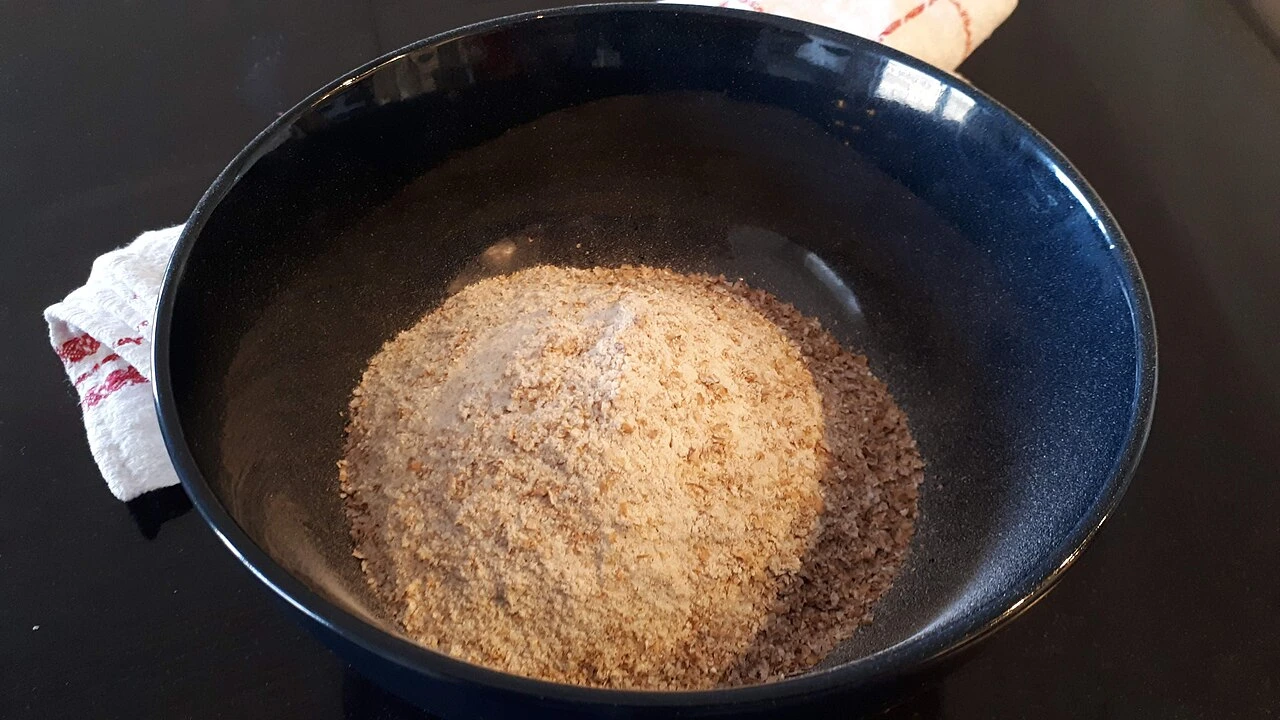
At a Cappadocian table, combinations of yogurt, grain and dough can prompt questions about these wider connections. Similarity alone does not establish an unchanged line of descent. Migration brought encounters, and Anatolian environments offered different possibilities. Appreciating both continuity and transformation produces a richer story than assigning a modern dish to a single remote birthplace. Local knowledge gives these connections their meaning.