A journey through food and civilisation.
Twelve stories, from Central Asia and ancient Anatolia to the tables of Istanbul. Each explores five products through 500 words and ten photographs.
Archaeology, written records and living traditions tell different parts of this story. Present-day ingredient photographs illustrate the ingredients; they do not recreate an ancient meal.
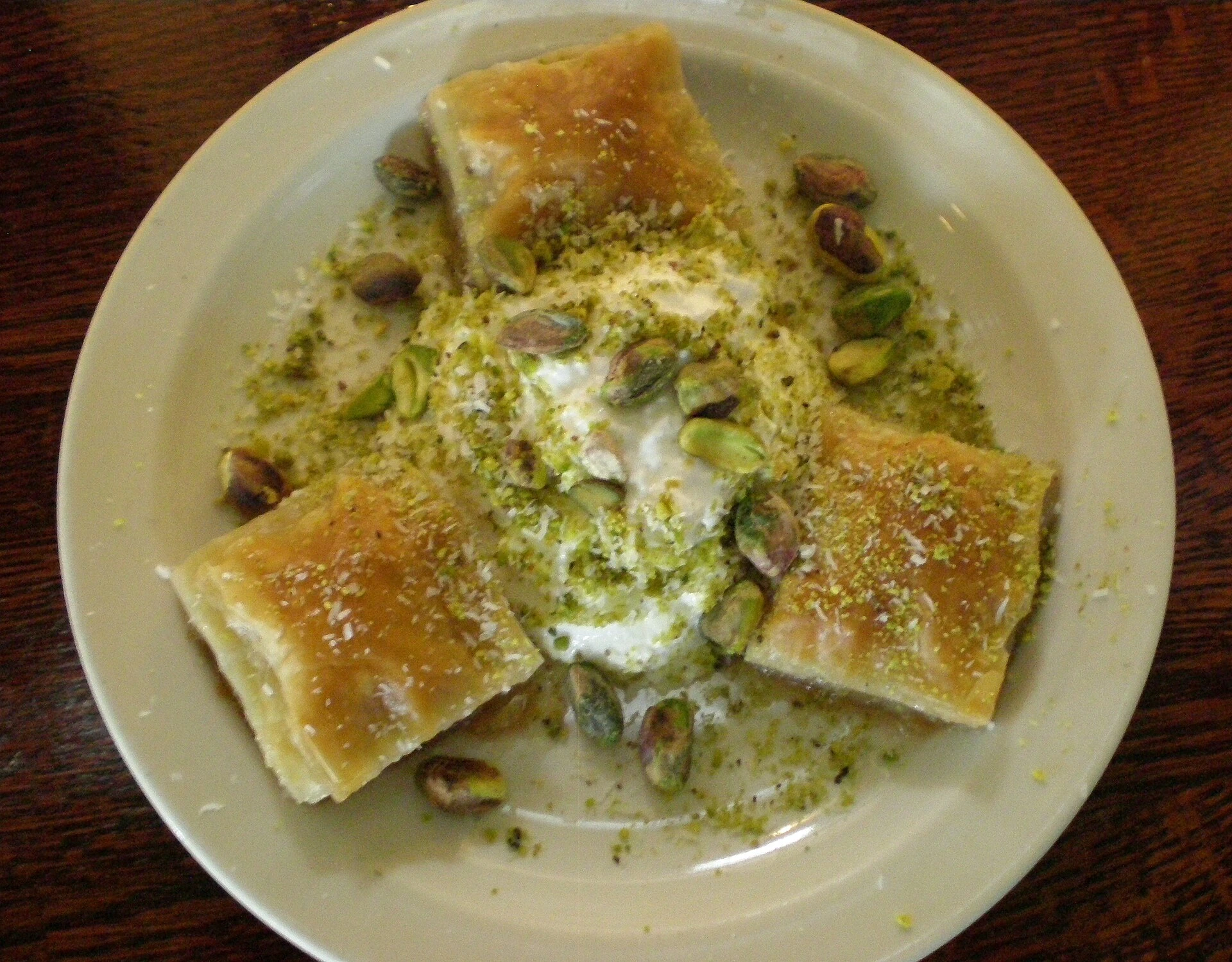 Food & culture · 500 words
Turkish gastronomy: A table shaped by many landscapes
Explore Turkish food through grain, dairy, vegetables and the culture of sharing.
Read the story ↗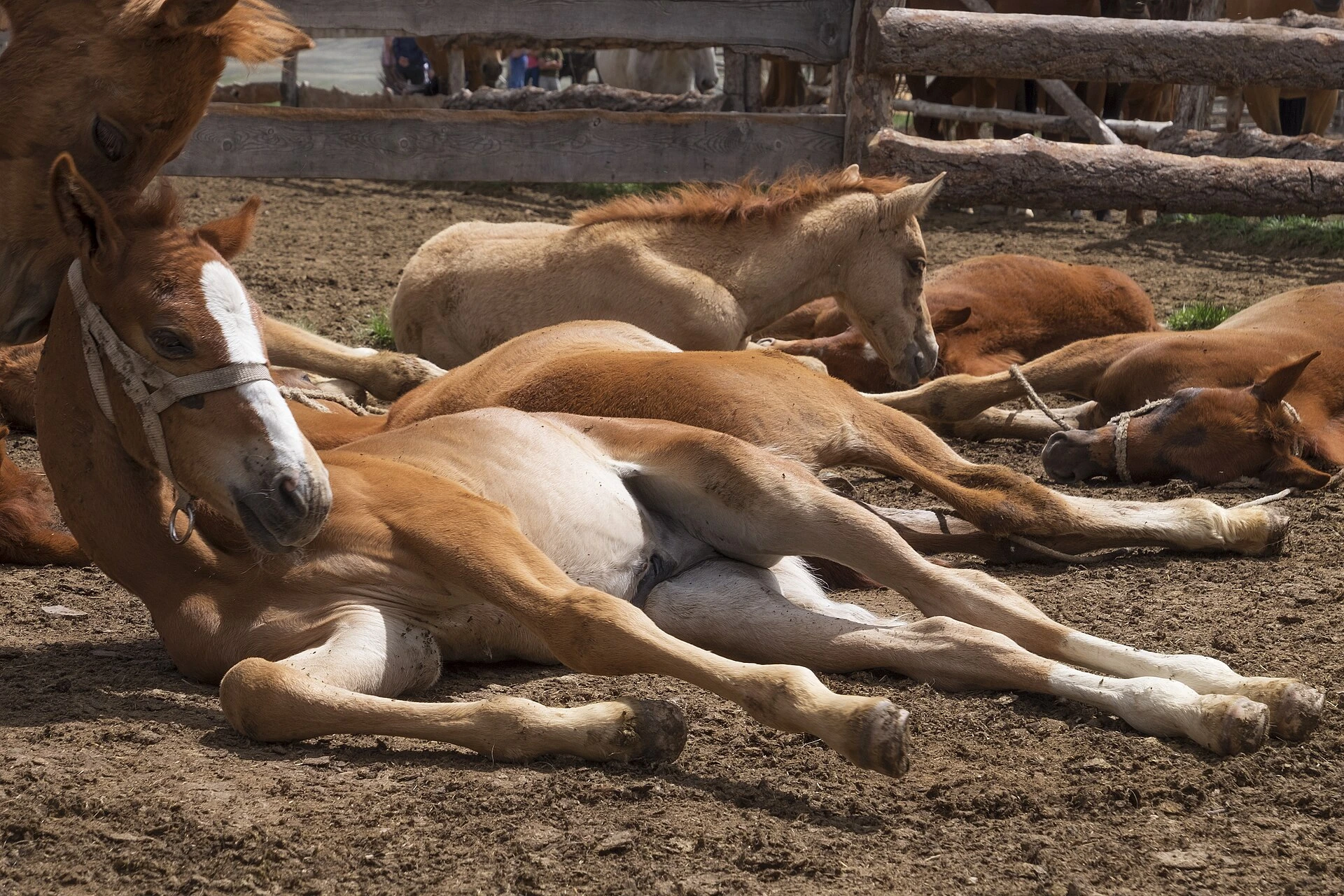 Food & culture · 500 words
Central Asian gastronomy: Steppe, valley and shared table
Pastoral life and settled agriculture meet in a diverse culinary landscape.
Read the story ↗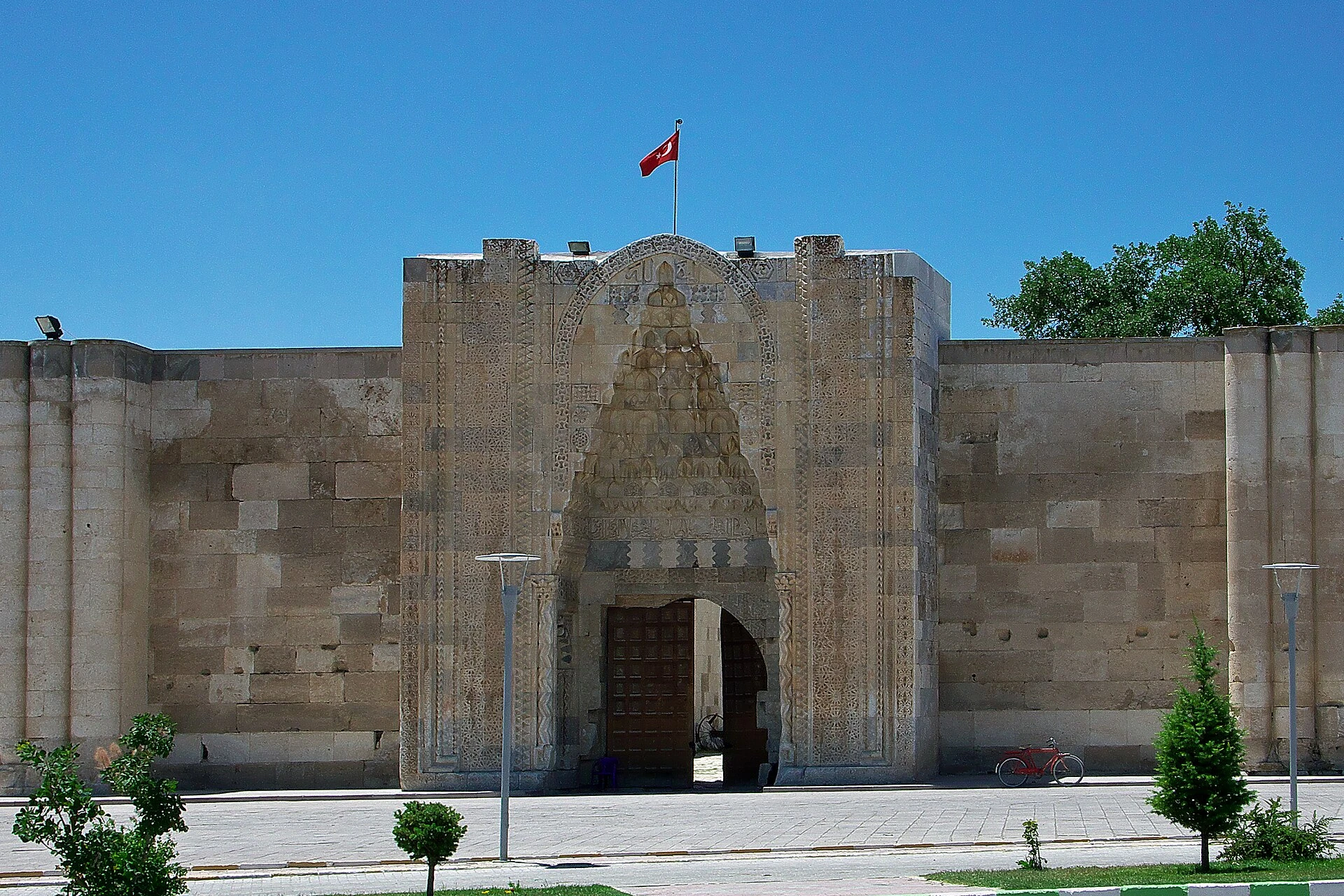 Food & culture · 500 words
Seljuk gastronomy: A culinary world around Konya
Explore grain, dairy, meat and the interpretation of medieval Anatolian food.
Read the story ↗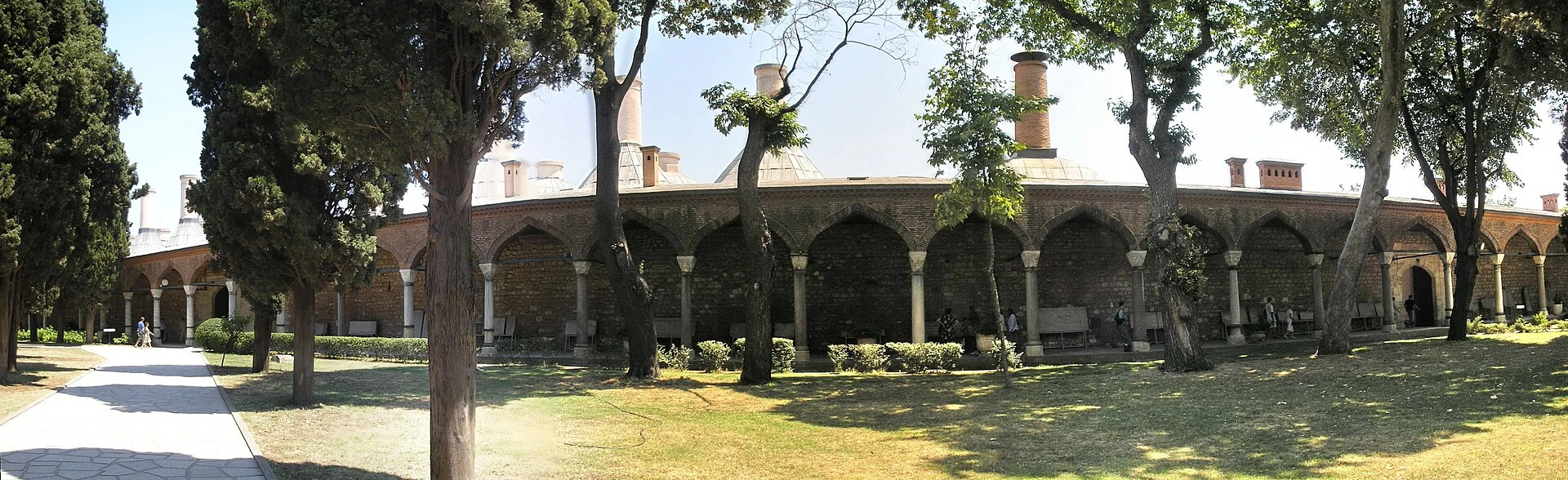 Food & culture · 500 words
Ottoman gastronomy: Palace, neighbourhood and changing tastes
Discover organised kitchens, everyday meals and a culinary world that kept evolving.
Read the story ↗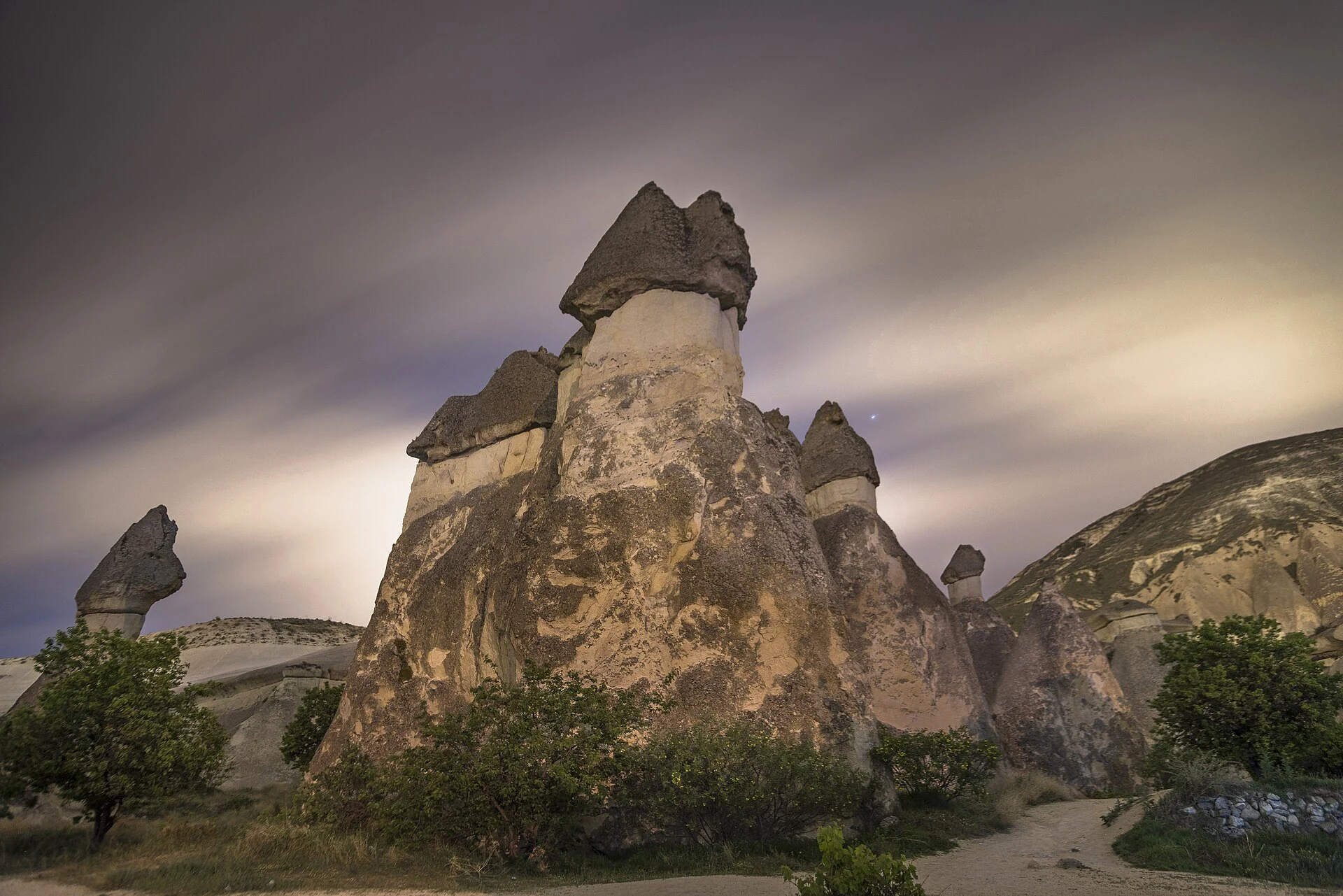 Food & culture · 500 words
Anatolia: Many Tables, One Shared Geography
Grain, seasonal cooking and neighbouring communities reveal the diversity of Anatolian food.
Read the story ↗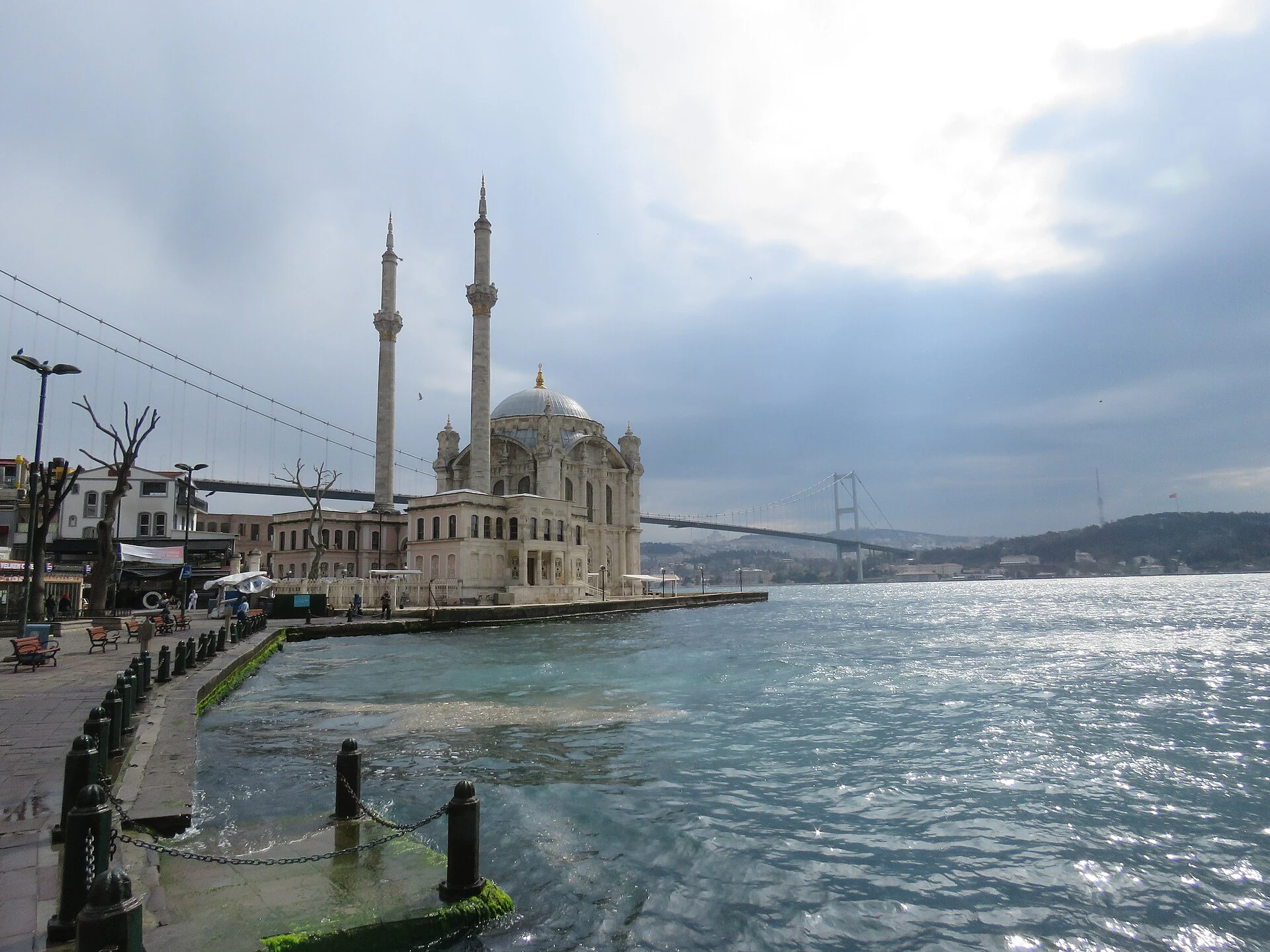 Food & culture · 500 words
Istanbul: From Palace Kitchens to Street Food
Everyday food, waterfronts and coffee reveal the city’s layered culinary culture.
Read the story ↗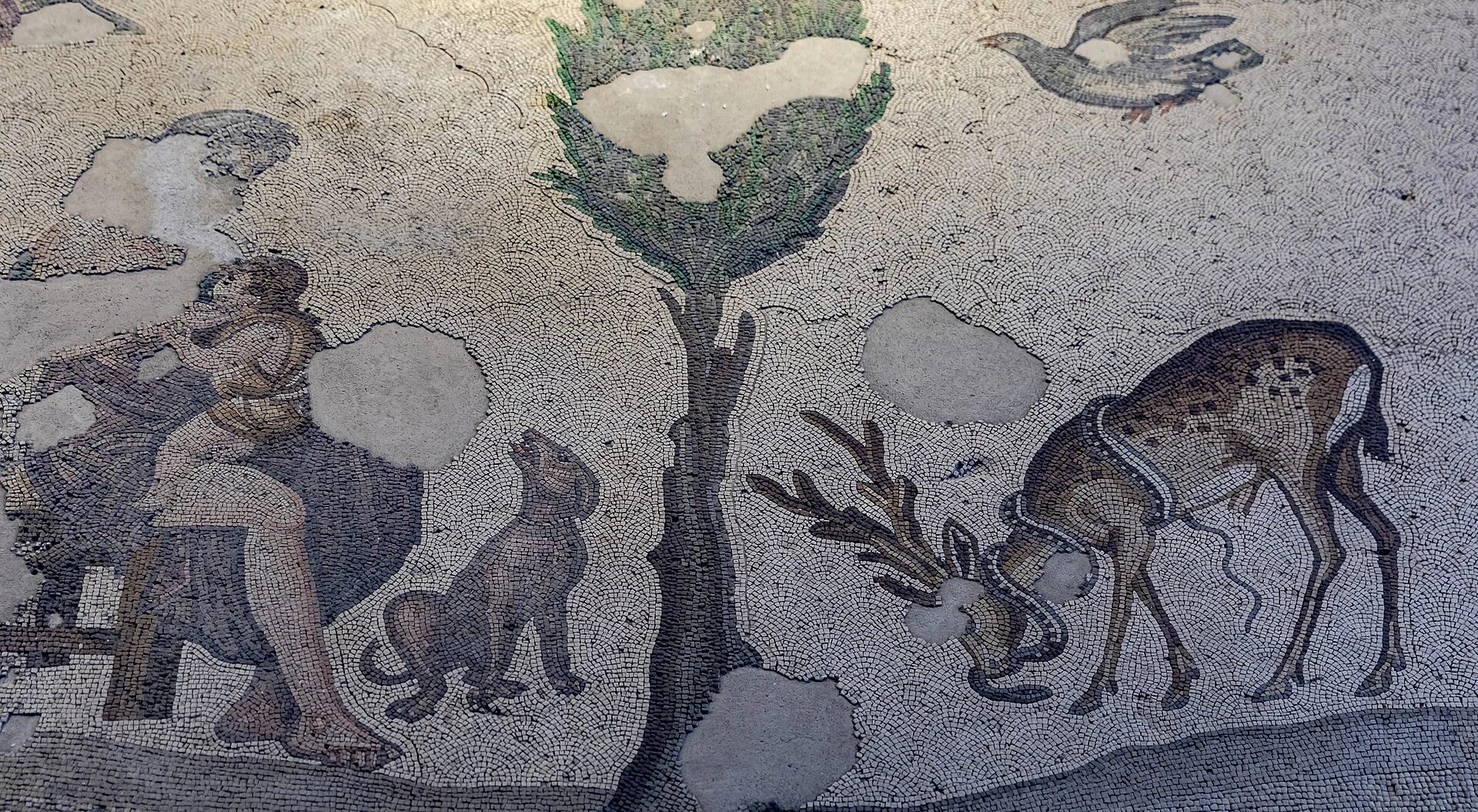 Food & culture · 500 words
The Byzantine Table: Bread, Vines and Seasons
Documents, museum objects and archaeology illuminate a varied medieval food culture.
Read the story ↗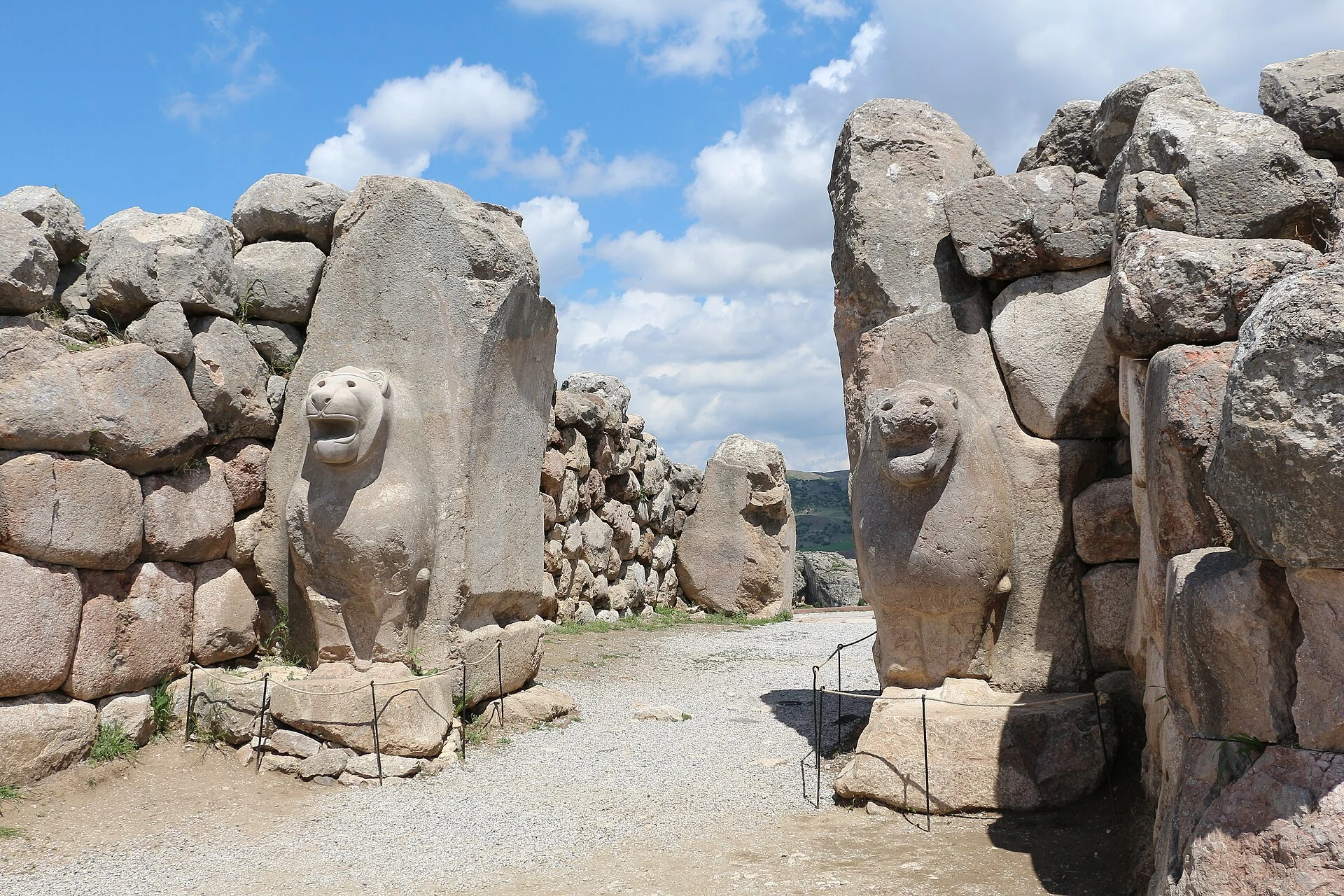 Food & culture · 500 words
Hittite Food: From Tablets to the Table
Reading grain, honey and drinks through the evidence of Bronze Age Anatolia.
Read the story ↗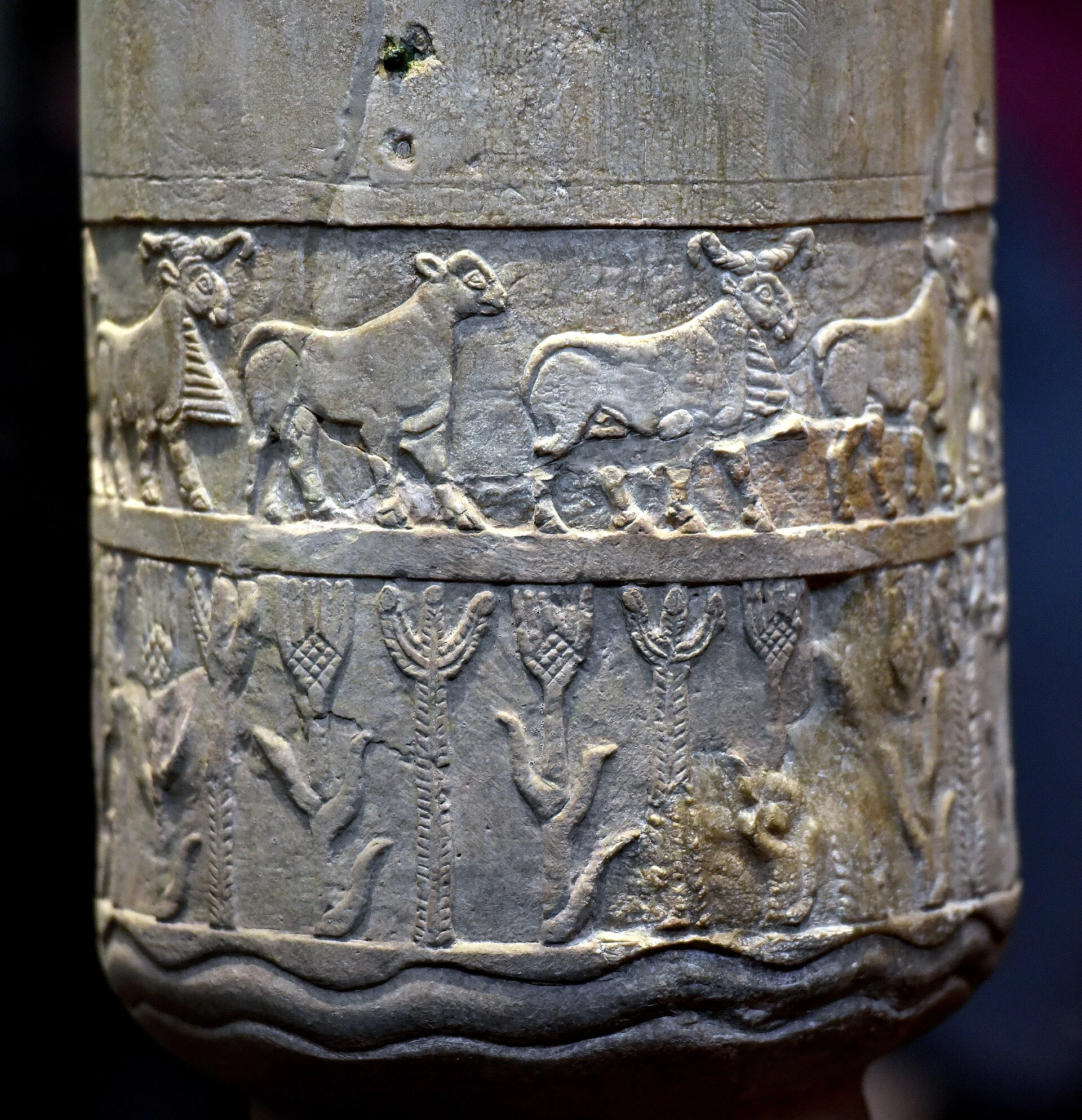 Food & culture · 500 words
The Sumerian Table: Barley, Dates and City Life
Explore ancient southern Mesopotamia through grain, records and everyday work.
Read the story ↗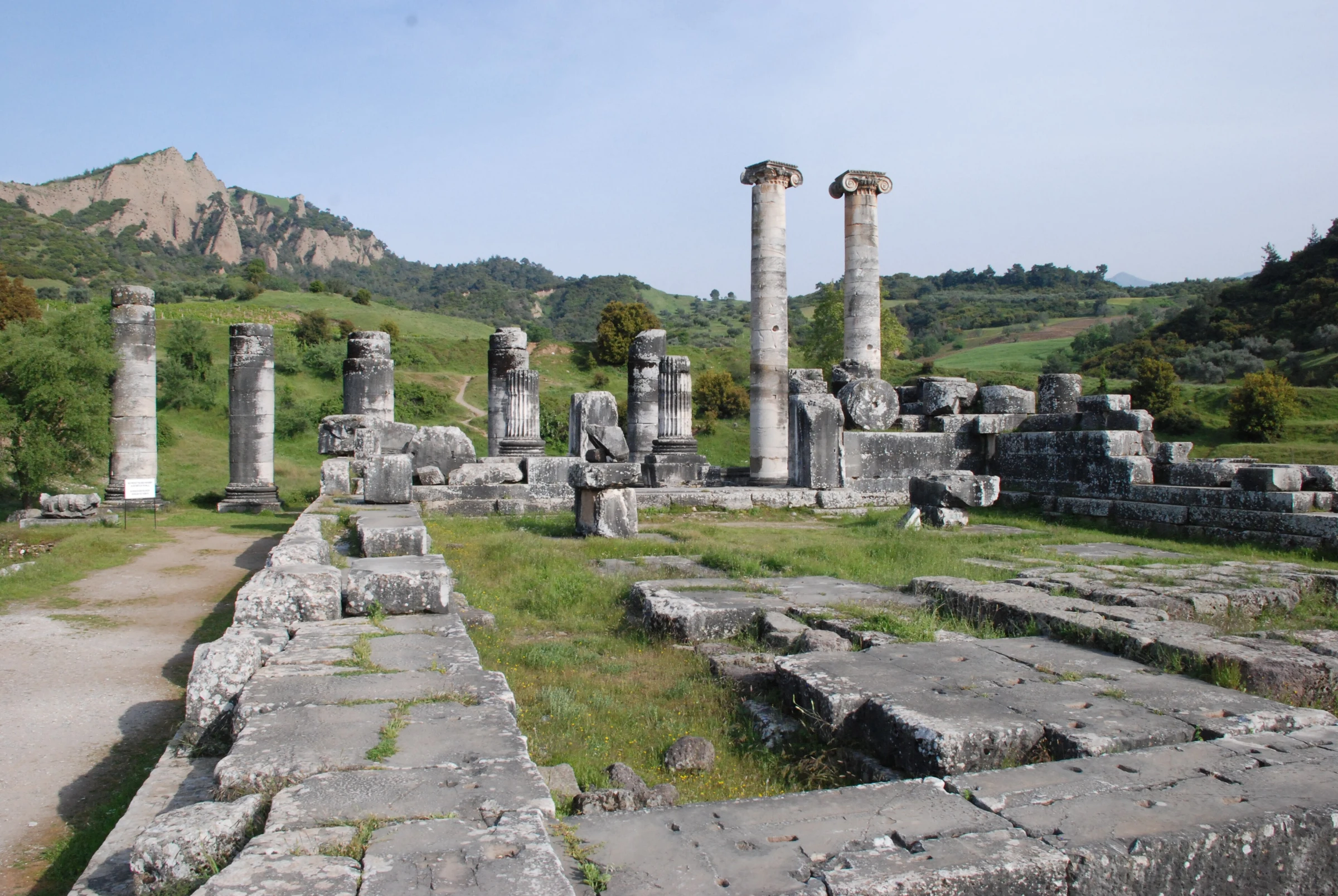 Food & culture · 500 words
Phrygian, Lydian and Urartian Tables
Explore three distinct Anatolian food worlds through excavated vessels, grains and feasting.
Read the story ↗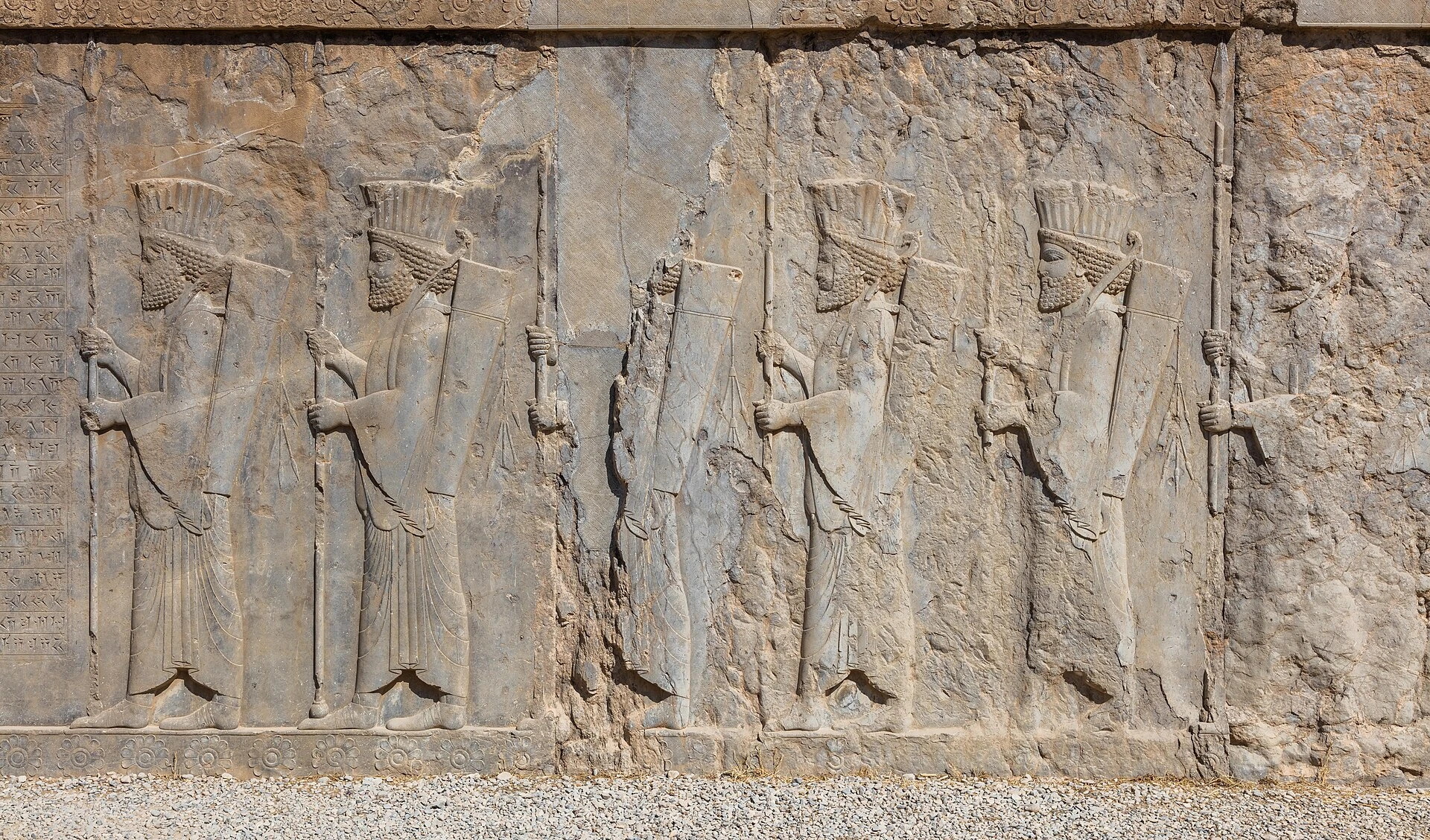 Food & culture · 500 words
Assyria, Babylonia and Persia: From Tablets to Tables
Discover distinct food traditions through recipes, offerings and administrative records.
Read the story ↗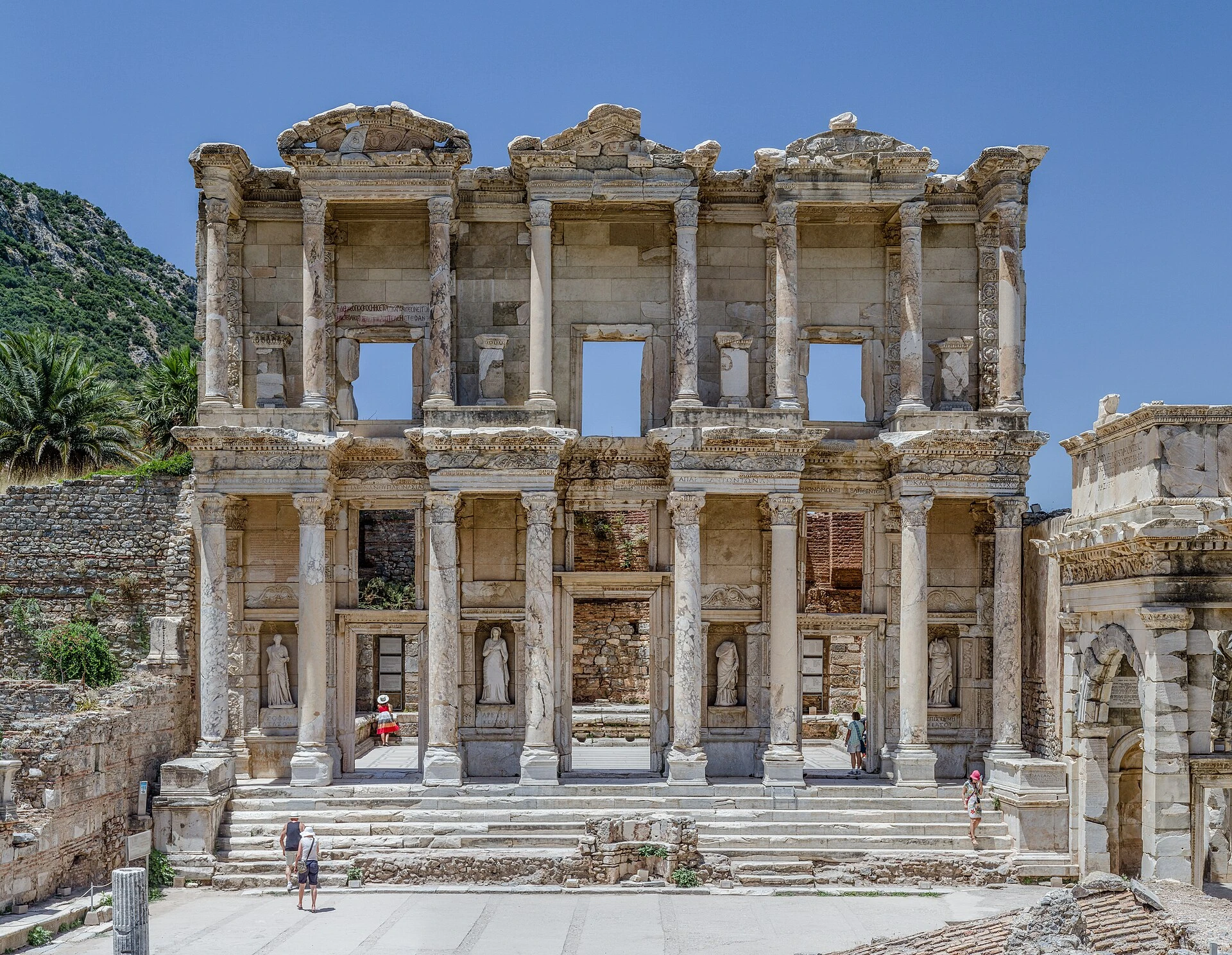 Food & culture · 500 words
Food in Hellenistic and Roman Anatolia
Follow grain, olives and everyday dining through connected but distinctive ancient communities.
Read the story ↗Frequently asked questions
Which culinary traditions can I explore?
The history collection covers Turkish, Central Asian, Seljuk, Ottoman, Anatolian and Istanbul food cultures, plus Byzantine, Hittite and other regional civilizations.
What is included in each food-history article?
Each main history article has a 500-word body, five featured foods or products and at least ten credited photographs. The FAQ is additional reading.
Are all photographs exact historical dishes?
No. Captions identify ingredient images and modern examples where used; they do not establish an unchanged ancient recipe.
Can I use these stories to plan a meal?
Use the practical dining and seasonal guides alongside the history collection, then confirm the current menu with your selected restaurant.
Where are references provided?
Each history article includes references and individual image credits at the end of the story.