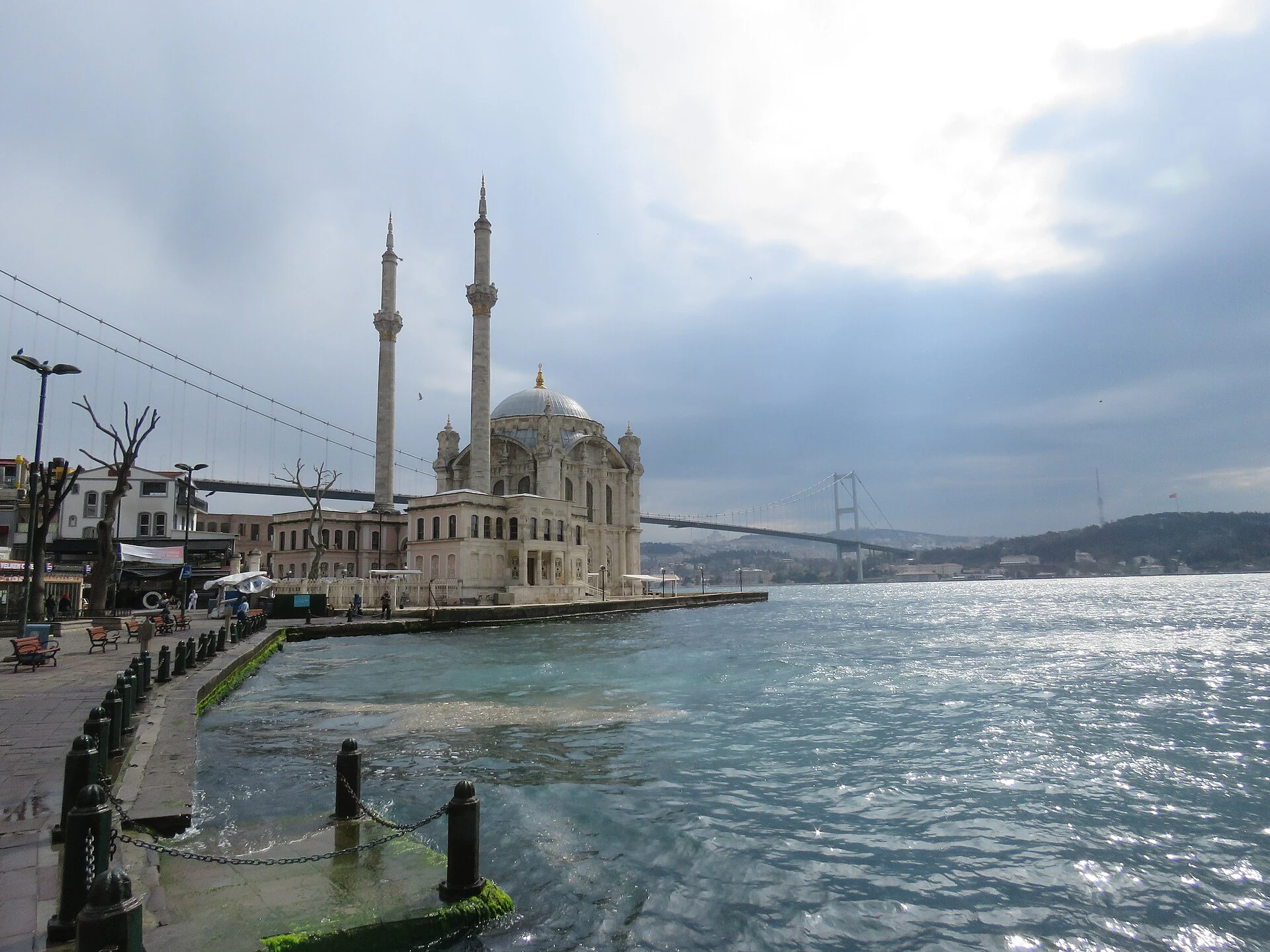
Istanbul cuisine is neither simply palace cooking nor a collection of street snacks. Ports, markets, neighbourhood bakeries, domestic kitchens and migration have all shaped its table. The legacy of an imperial capital intersects with the knowledge of communities who lived and worked here. Today, dishes from across Anatolia extend that movement. The city preserves familiar preparations while continuously making room for new tastes, businesses and habits.
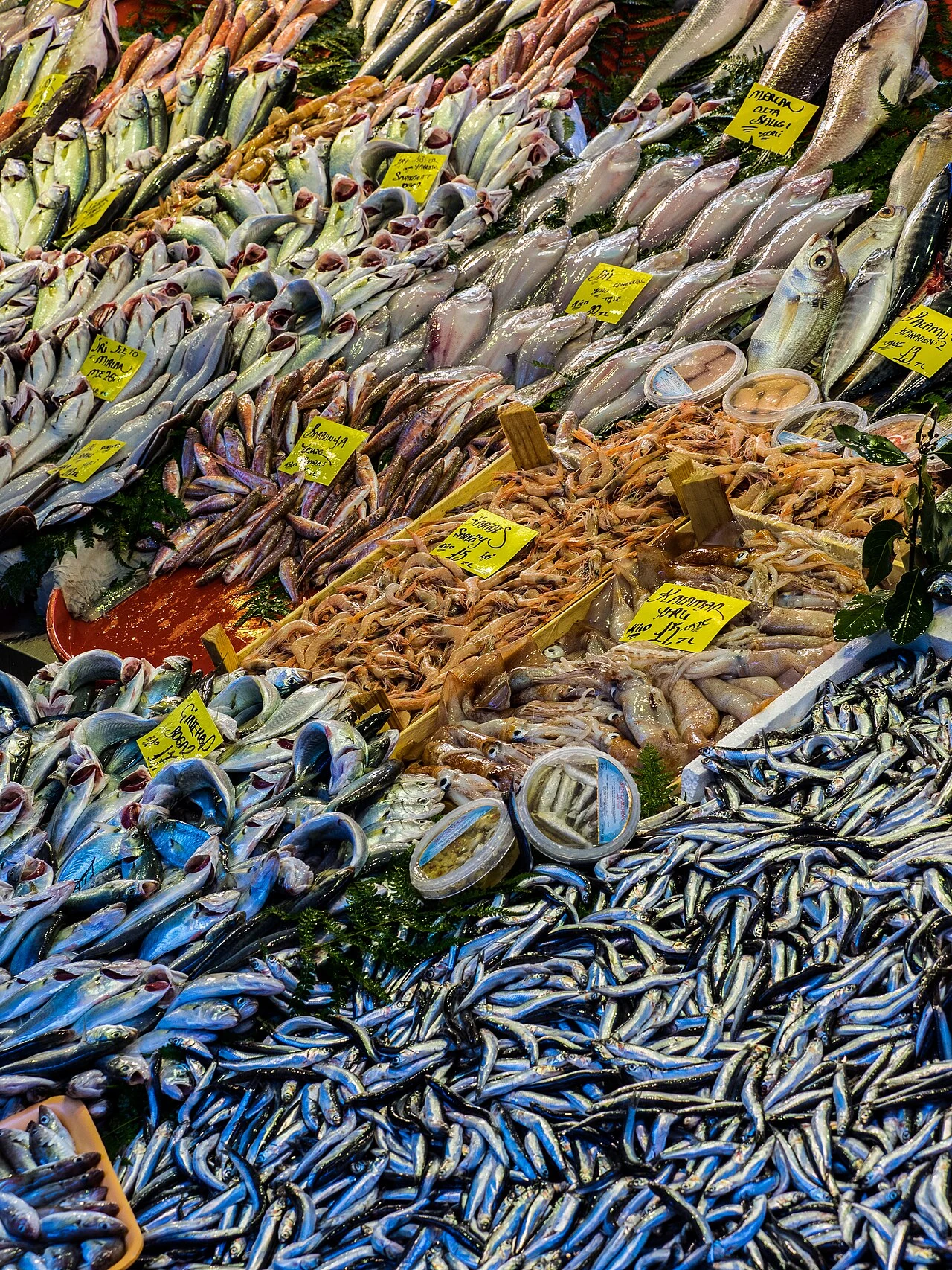
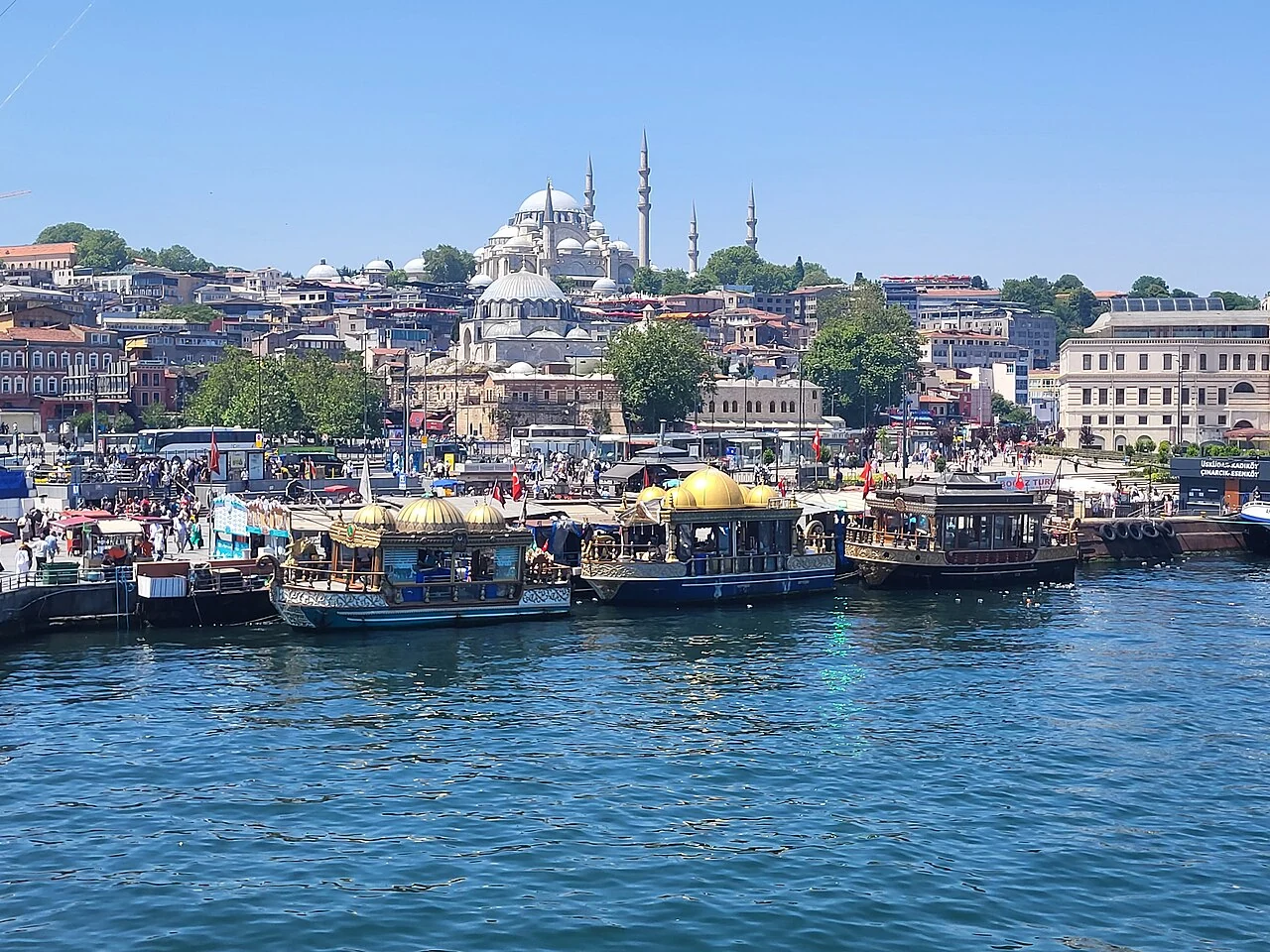
Geography provides a useful starting point. Between the Black Sea and the Sea of Marmara, the Bosphorus makes fishing and maritime exchange part of the urban story. Yet a contemporary fish counter is not an unchanged fragment of the past. Supply chains, fishing conditions and consumption patterns evolve. Asking about species, origin and season can therefore reveal more about a meal than its waterfront setting alone.
Turkish, Greek, Armenian and Jewish communities, alongside many later arrivals, belong within Istanbul's culinary history. Debating ownership of individual dishes cannot fully explain their contributions. Baking, confectionery, taverns, household vegetable cooking and coffee service connect production with everyday sociability. Similar dishes carry different memories in different families. Recognising those overlapping histories makes the city's food more interesting without requiring every recipe to have a single uncontested origin.
Coffee offers a example. The Turkish coffee tradition recognised by UNESCO concerns hospitality and conversation as well as preparation. Pera Museum's work on coffee and Kütahya ceramics also draws attention to the cup. Drinking, serving and making objects form connected histories. A coffee break can therefore invite reflection on craftsmanship and social relationships, rather than functioning only as a pause between sightseeing stops.
At the heart of the table
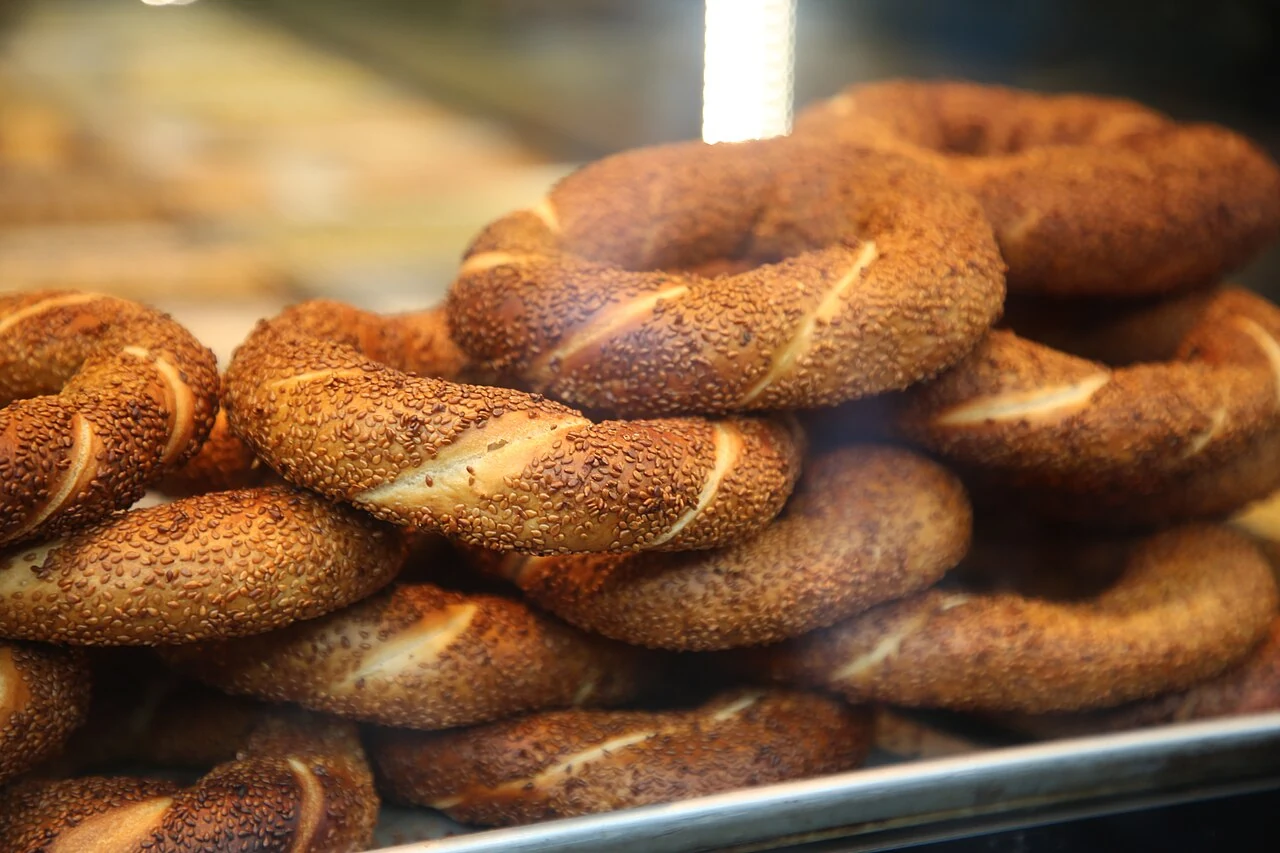
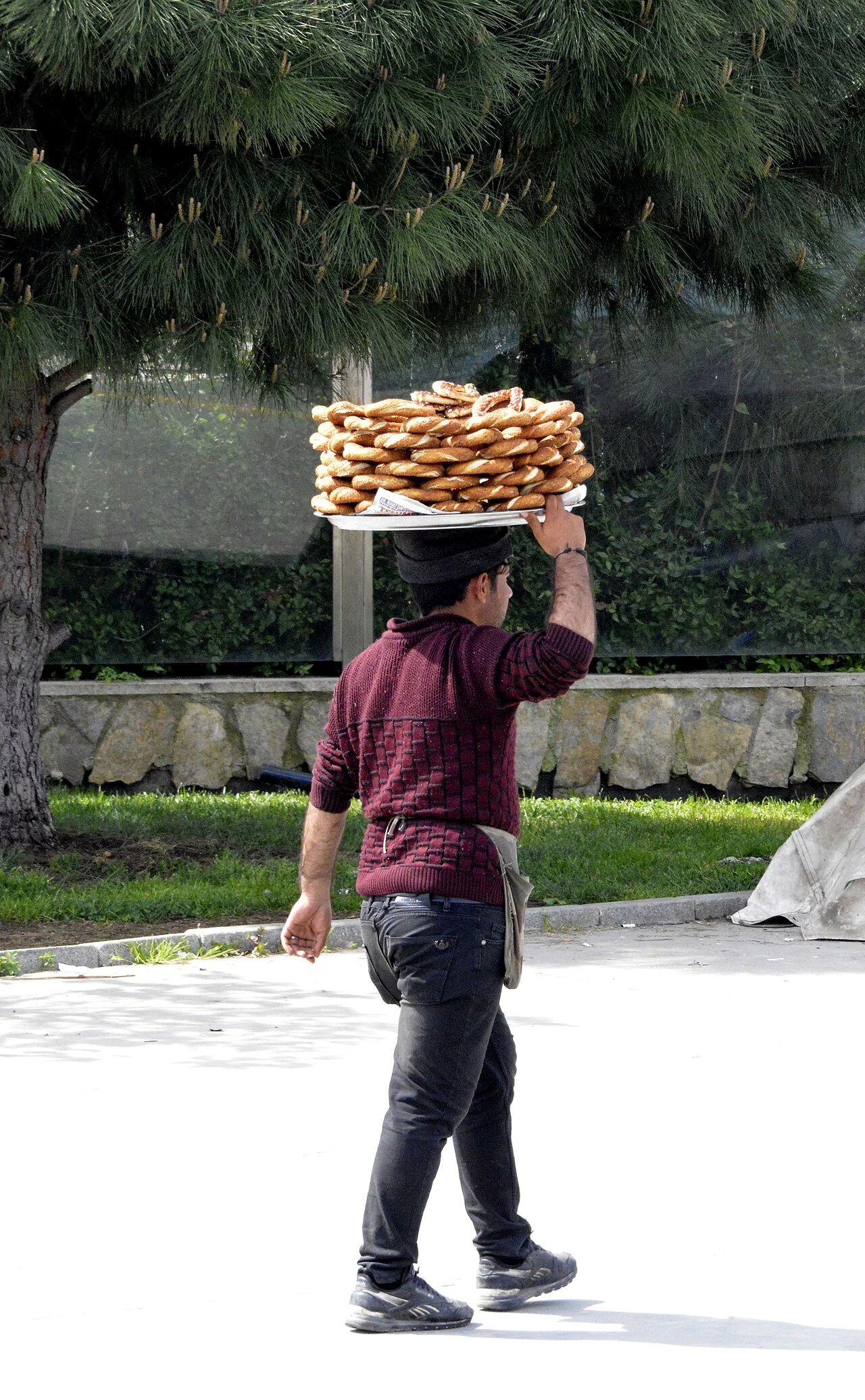
Simit
This sesame covered bread ring belongs to Istanbul’s everyday rhythm. It can accompany breakfast or a brief break during the day. A crisp crust and balanced interior matter more than elaborate presentation, particularly when the bread has just left the oven.
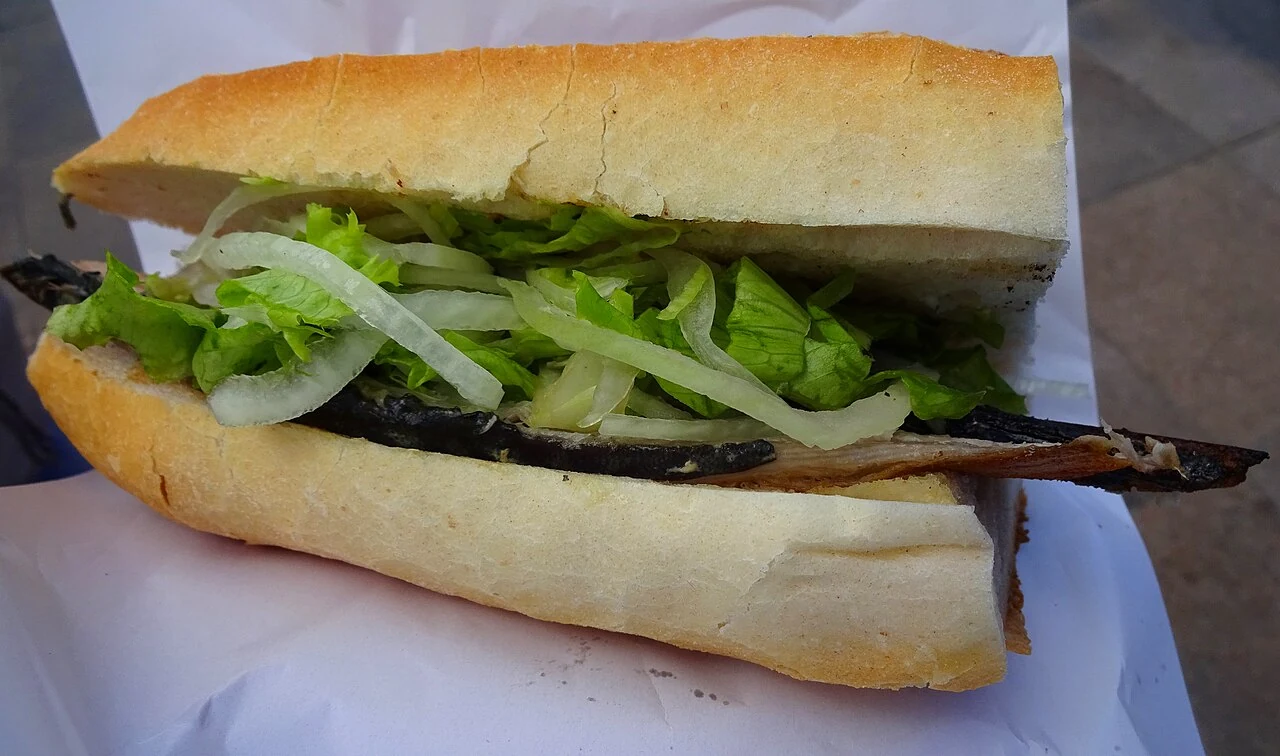
Balık ekmek
Fish served inside bread is a familiar waterfront street food. Species and preparation methods vary between sellers. Consider freshness, cooking and the balance between bread and filling, rather than assuming that a picturesque location automatically guarantees the best example.
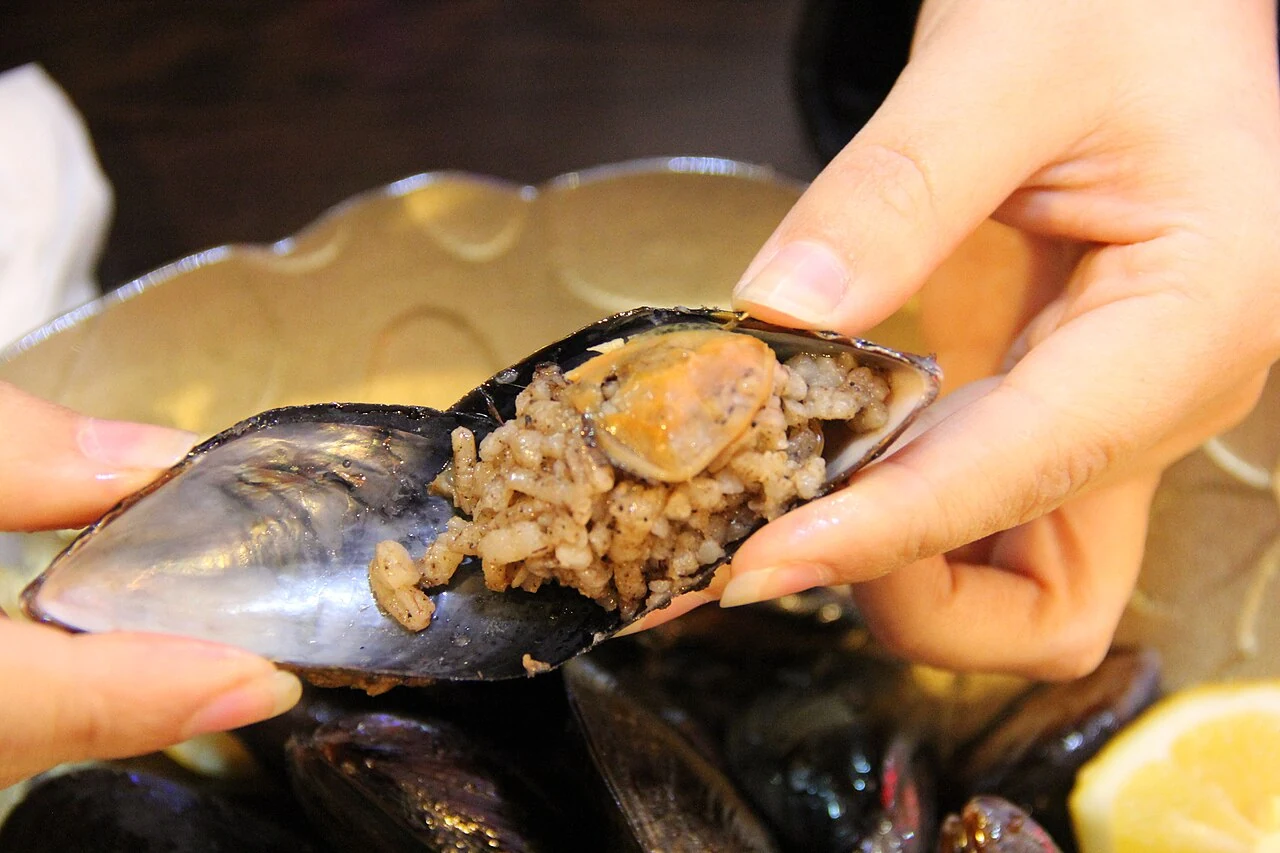
Midye dolma
Mussels filled with seasoned rice are among the city’s recognised street foods, usually served with lemon. Because this is seafood, careful preparation, storage and service matter. Choosing a trustworthy establishment is an essential part of enjoying the dish.
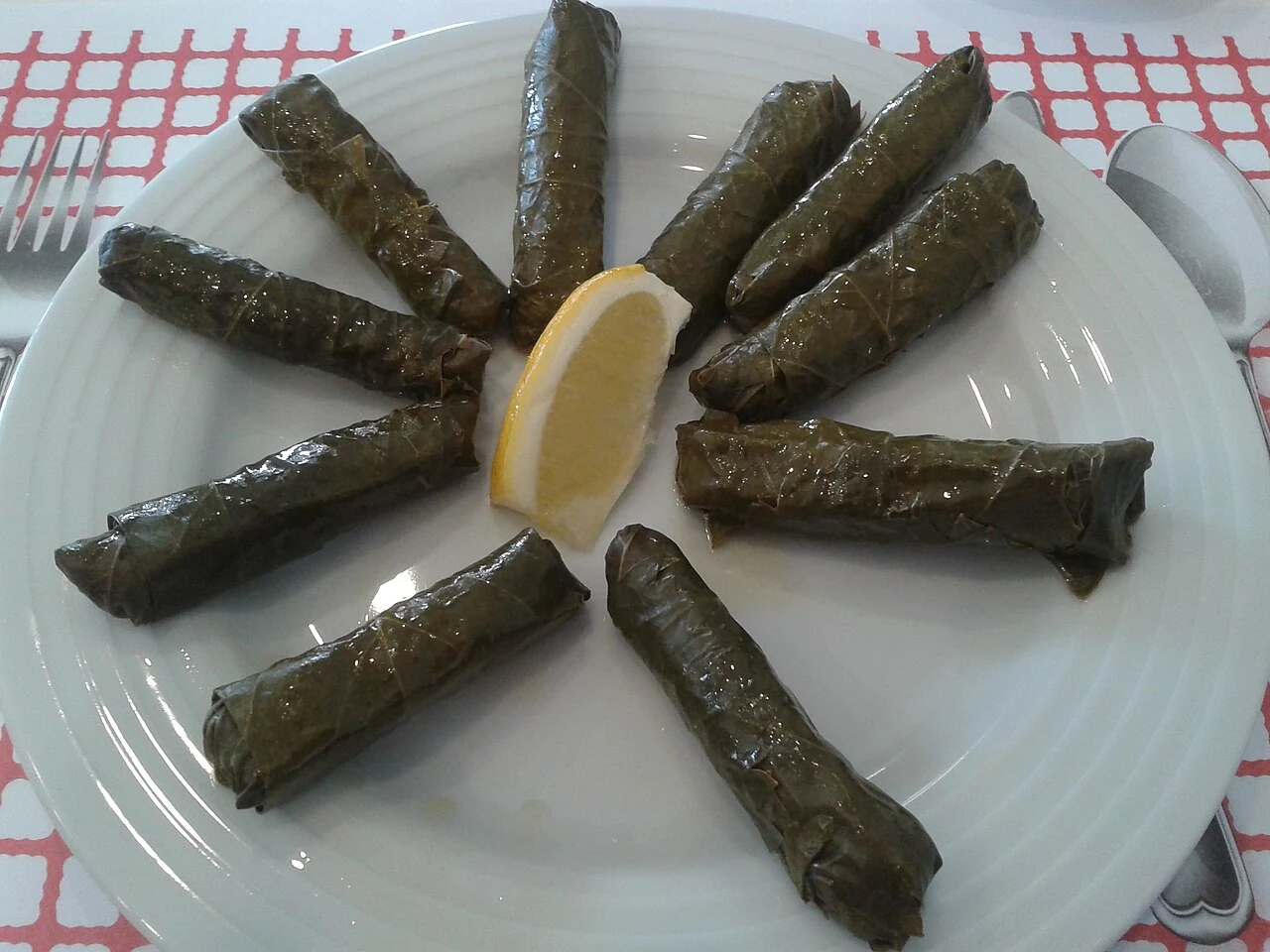
Vegetables in olive oil
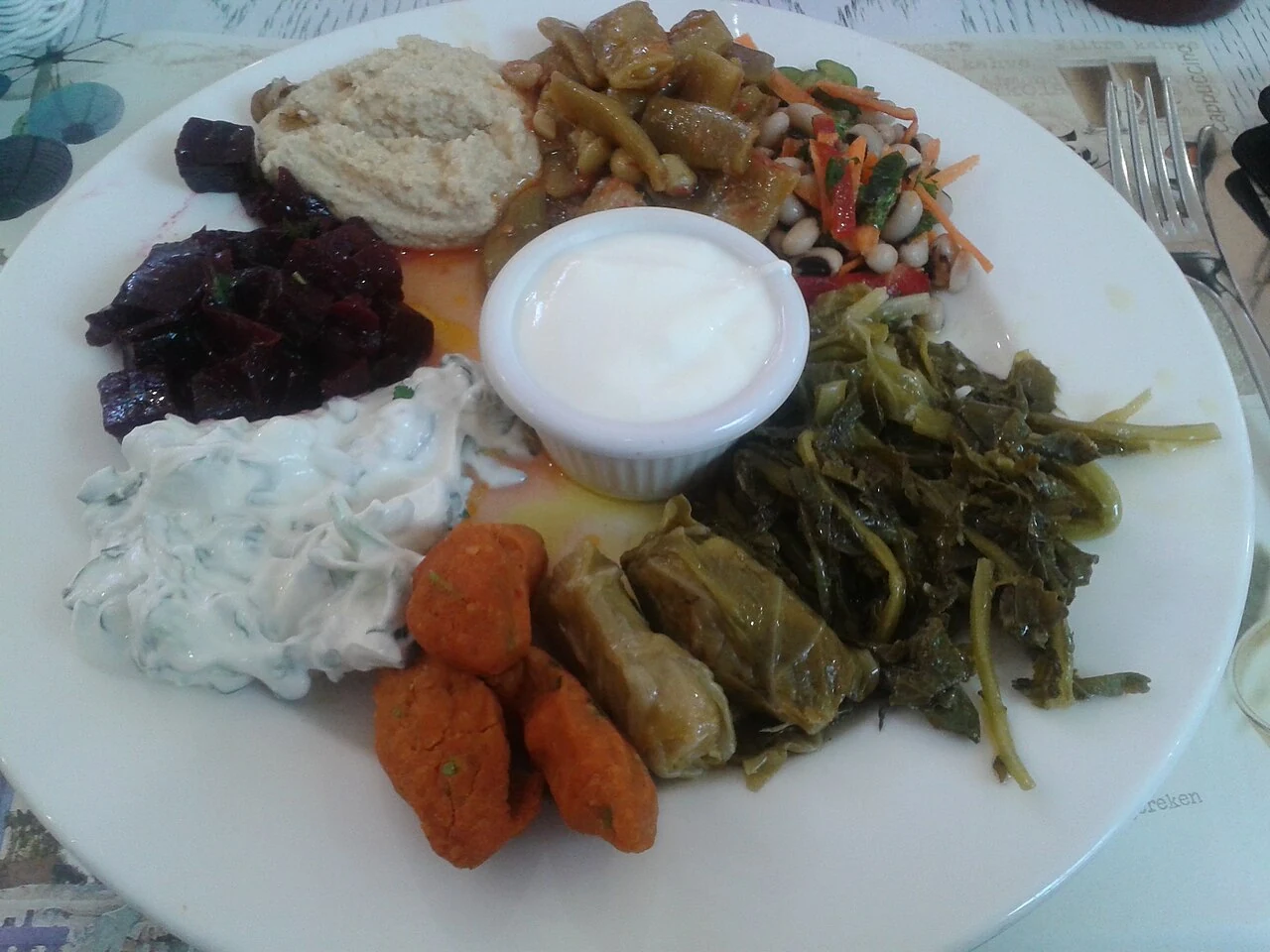
This broad family includes vegetable preparations, legumes and wrapped leaves. Its members do not share one fixed ingredient list. A seasonal selection provides an accessible introduction to domestic cooking and the quieter pleasures of Istanbul’s table.
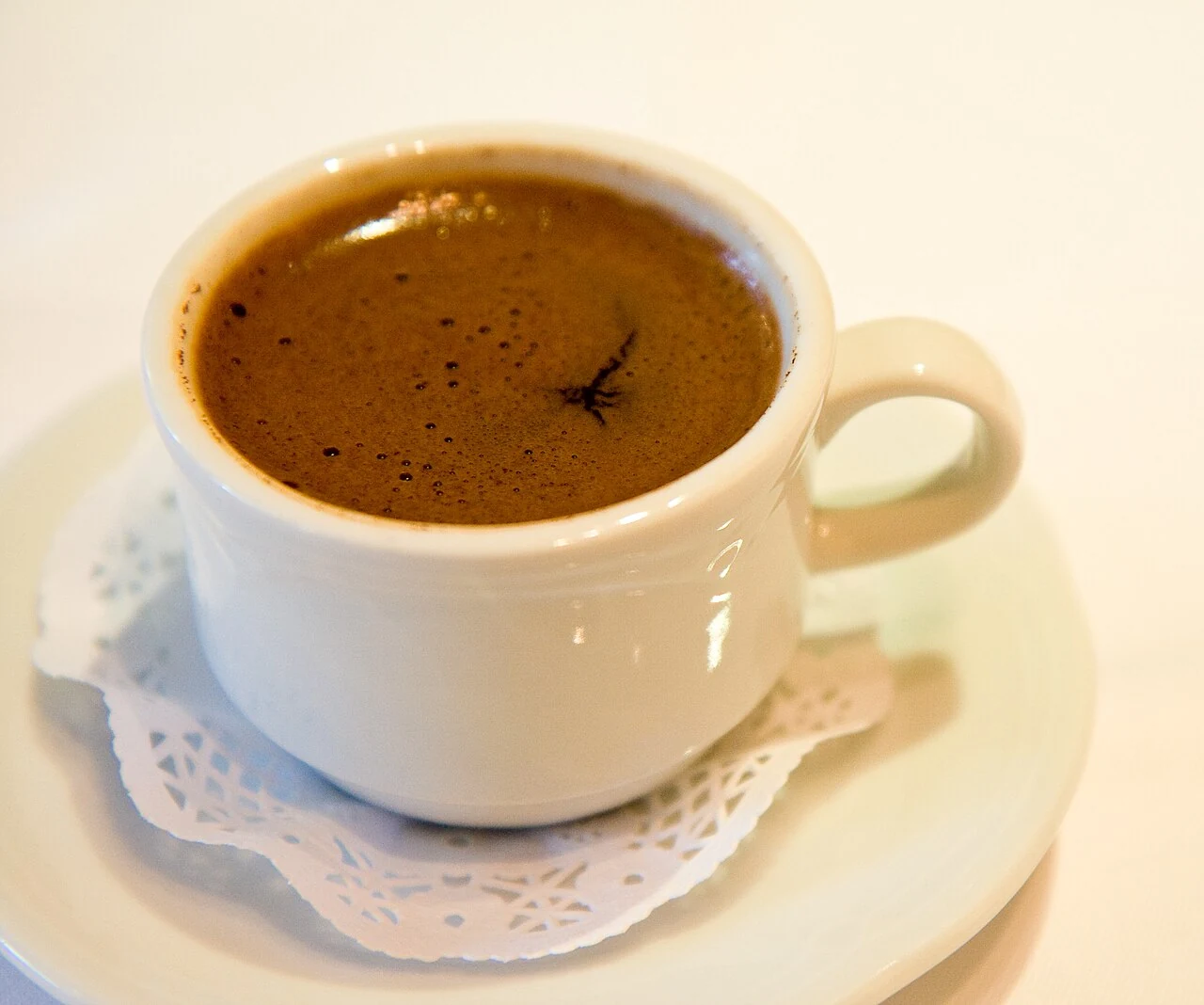
Turkish coffee
Finely ground coffee is cooked with water and served in small cups. Foam, texture and sediment all contribute to the experience. Its cultural importance also lies in welcoming guests and making time for conversation, practices that keep the tradition alive.
Travellers continuing from Istanbul to Cappadocia can read the two places as different chapters within a wider food landscape. One emphasises circulation and metropolitan variety; the other offers closer encounters with regional ingredients.