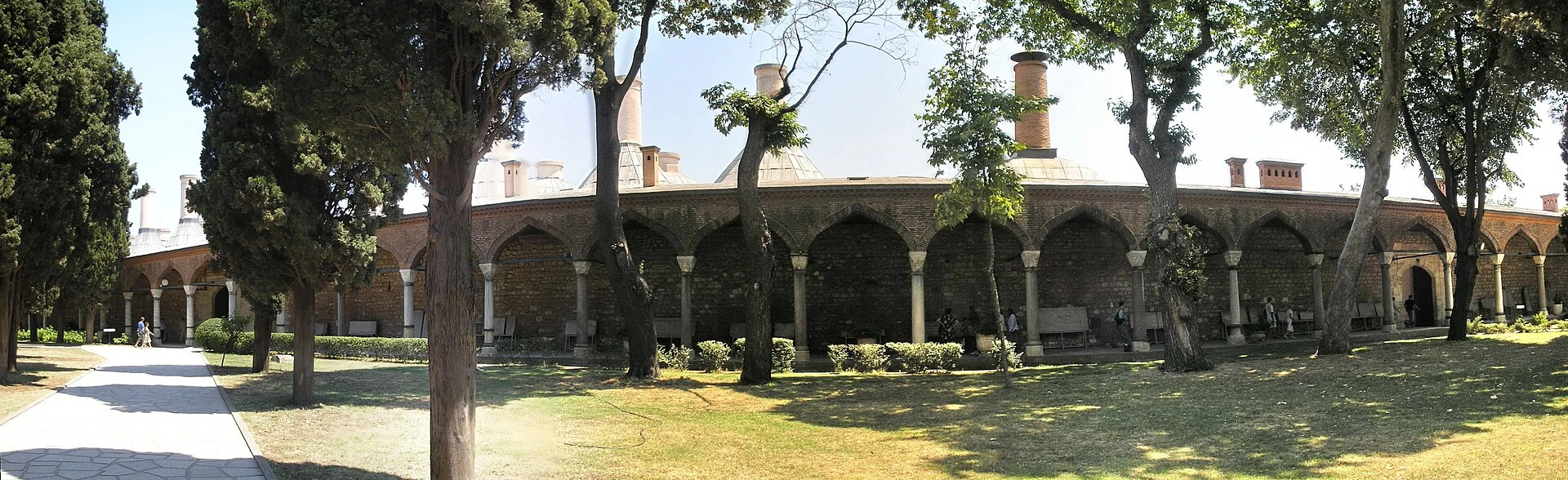
Ottoman gastronomy extends beyond palace dishes. Markets, neighbourhood bakeries, homes, religious lodges and charitable kitchens also belonged to its food landscape. Communities across a large territory contributed ingredients and techniques. Istanbul was an important meeting place, but a menu from the capital cannot describe every provincial table. Eating habits also changed across centuries covered by the Ottoman period.
The palace kitchen invites questions about supply, storage and labour as well as taste. Feeding a substantial community required coordinated work and specialised responsibilities. Sections associated with confectionery produced sweets, preserves and drinks alongside other preparations. Understanding this organisation reveals a practical institution behind the familiar image of luxury. Culinary history is also a history of workers, resources and everyday management.
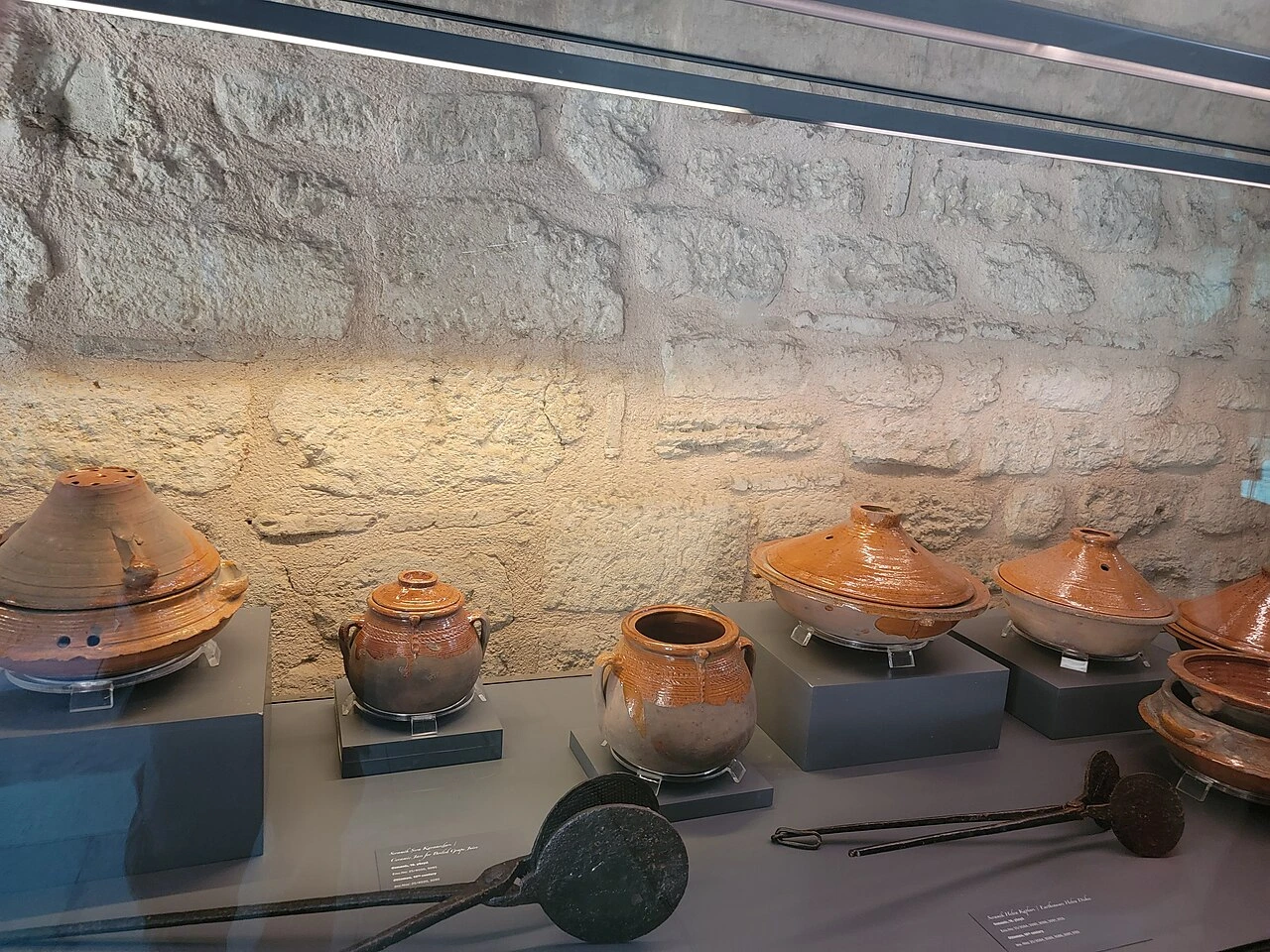
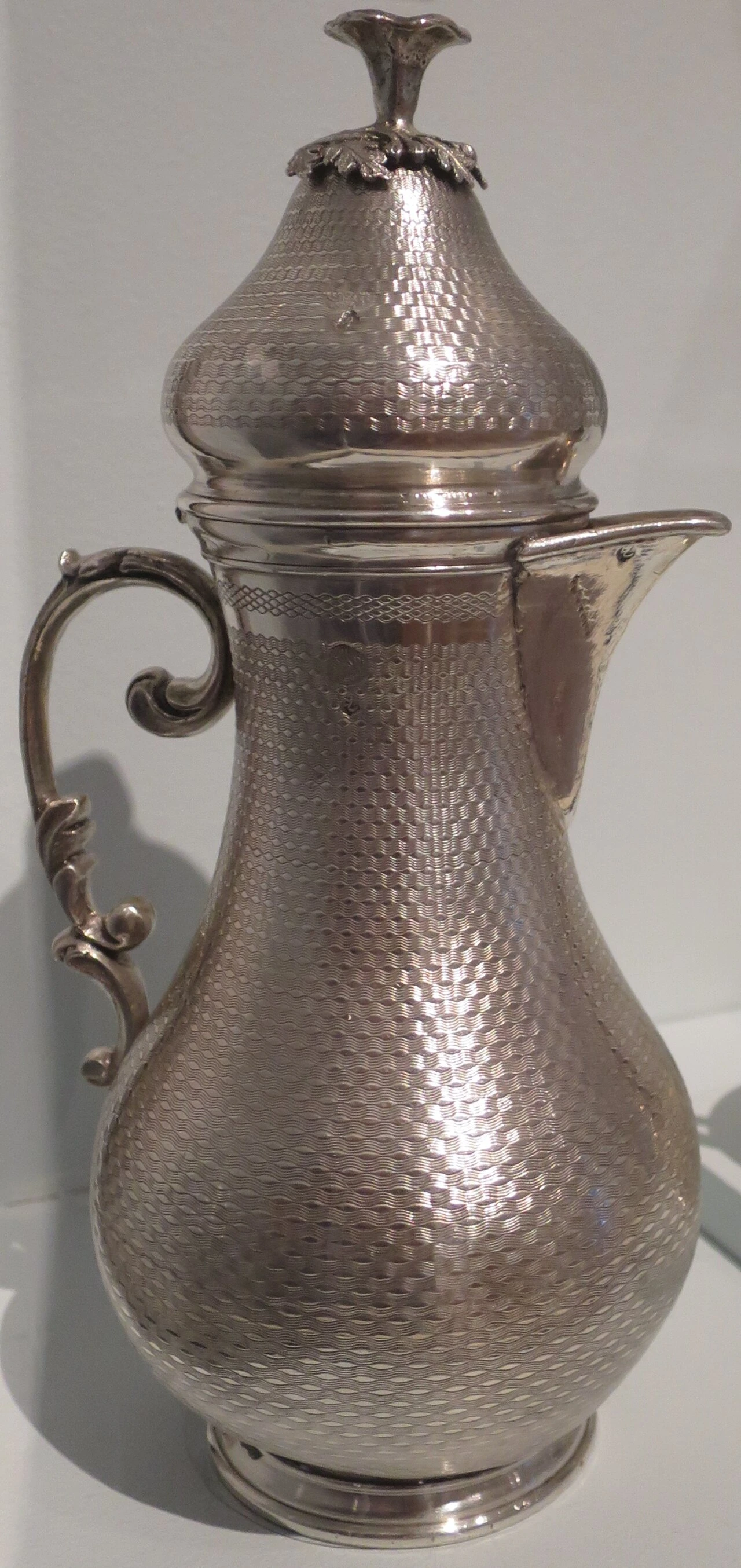
Outside such settings, available ingredients and household means shaped meals. Bread, grains, vegetables and soups could take many forms according to season and circumstance. An expensive ingredient recorded in a palace account does not demonstrate frequent consumption across the population. Asking who ate a dish, where, when and on what occasion brings necessary precision to accounts of the Ottoman table.
The cuisine continued to respond to new ingredients and changing fashions. In the later period, European influences appeared alongside established practices, especially in elite settings. Combining dishes from distant centuries into one timeless menu can therefore obscure rather than explain history. Contemporary restaurants can offer engaging interpretations when they identify their sources and describe how historical preparations have been adapted for a modern kitchen.
At the heart of the table
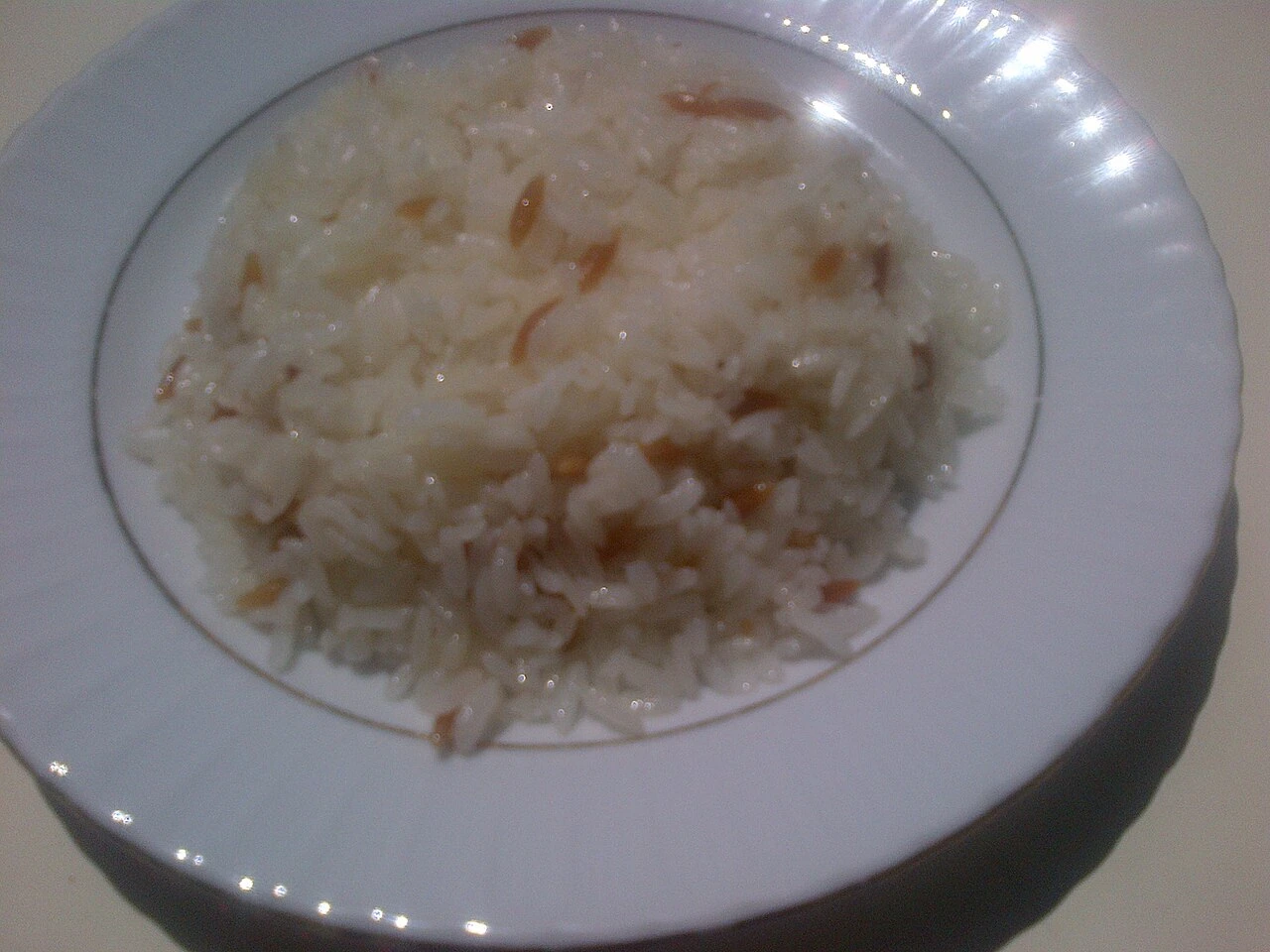
Pilaf
Rice and other grains supported a broad repertoire of dishes served in everyday and ceremonial settings. Broth, fat and additional ingredients changed their character. The richness of one recorded preparation should not be assumed to describe every household version.
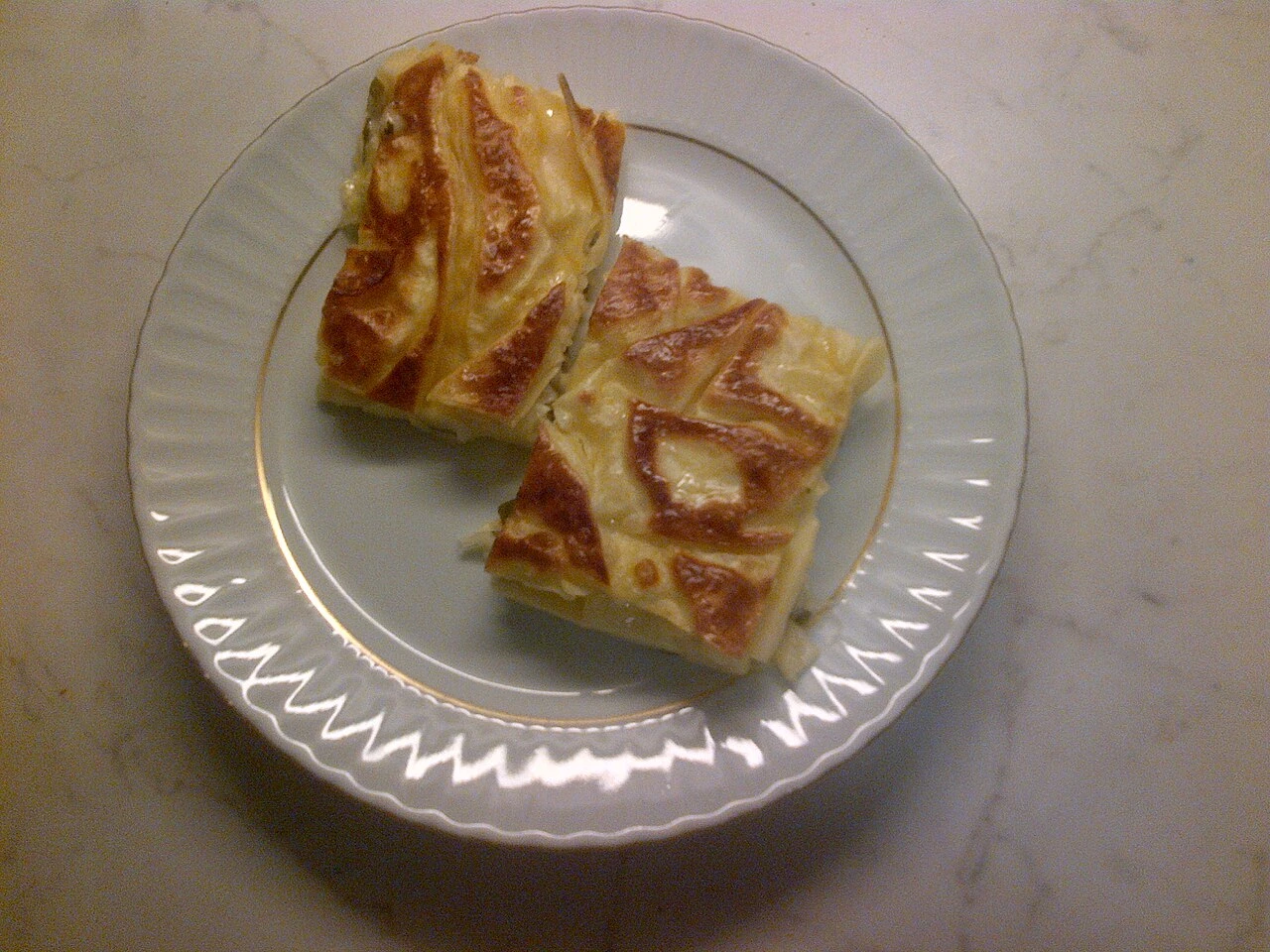
Börek
Thin dough and varied fillings form a wide family of savoury preparations. Making and cooking the layers requires skilled handling. Contemporary shapes and names offer useful comparisons, but they cannot stand for every historical version of the dish.
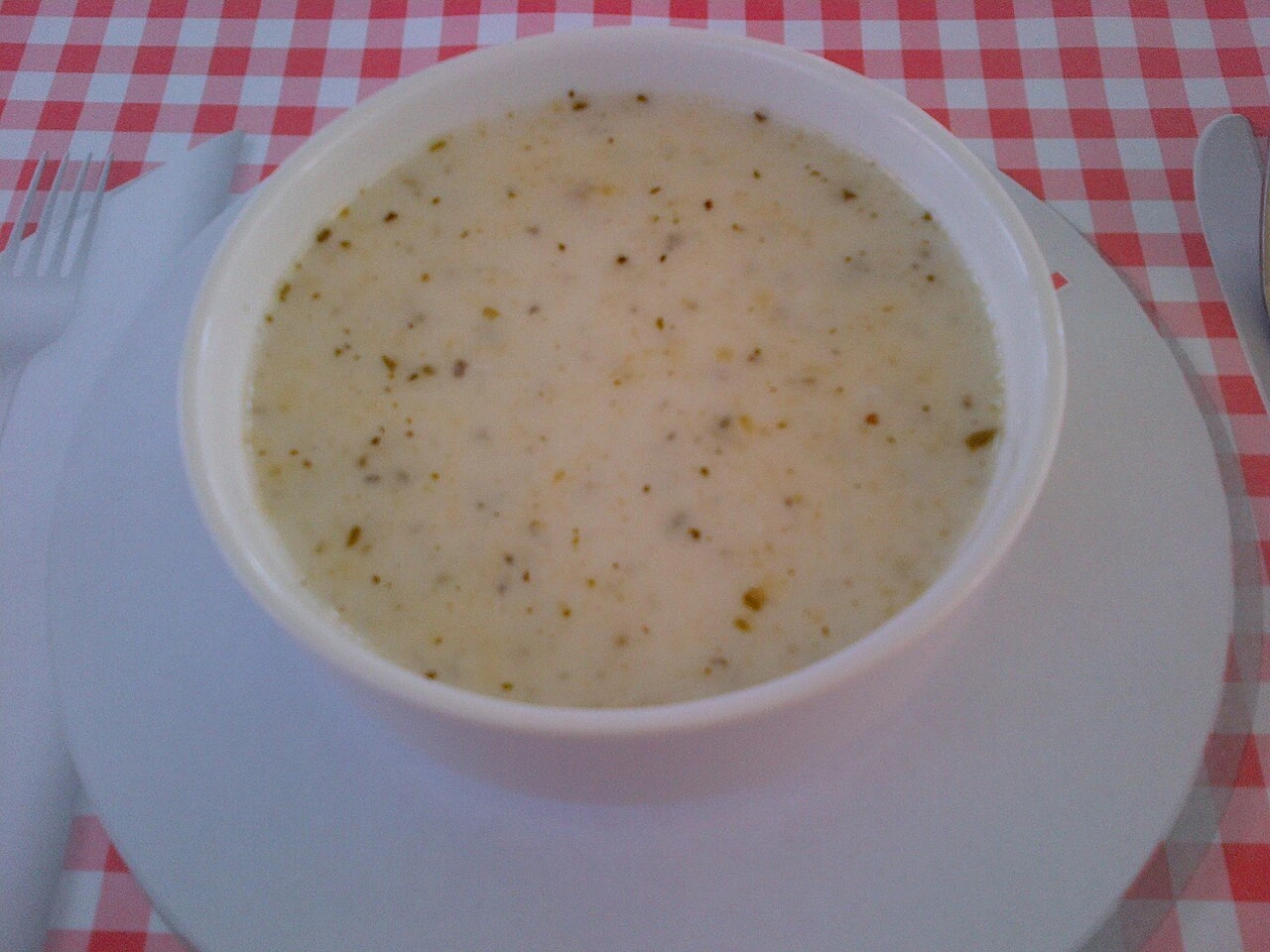
Soup
Research into palace cooking identifies numerous soups using different ingredients. Grains, legumes, meat and vegetables could each influence the result. Soup is better understood as a major culinary category than as one fixed recipe with a single historical identity.
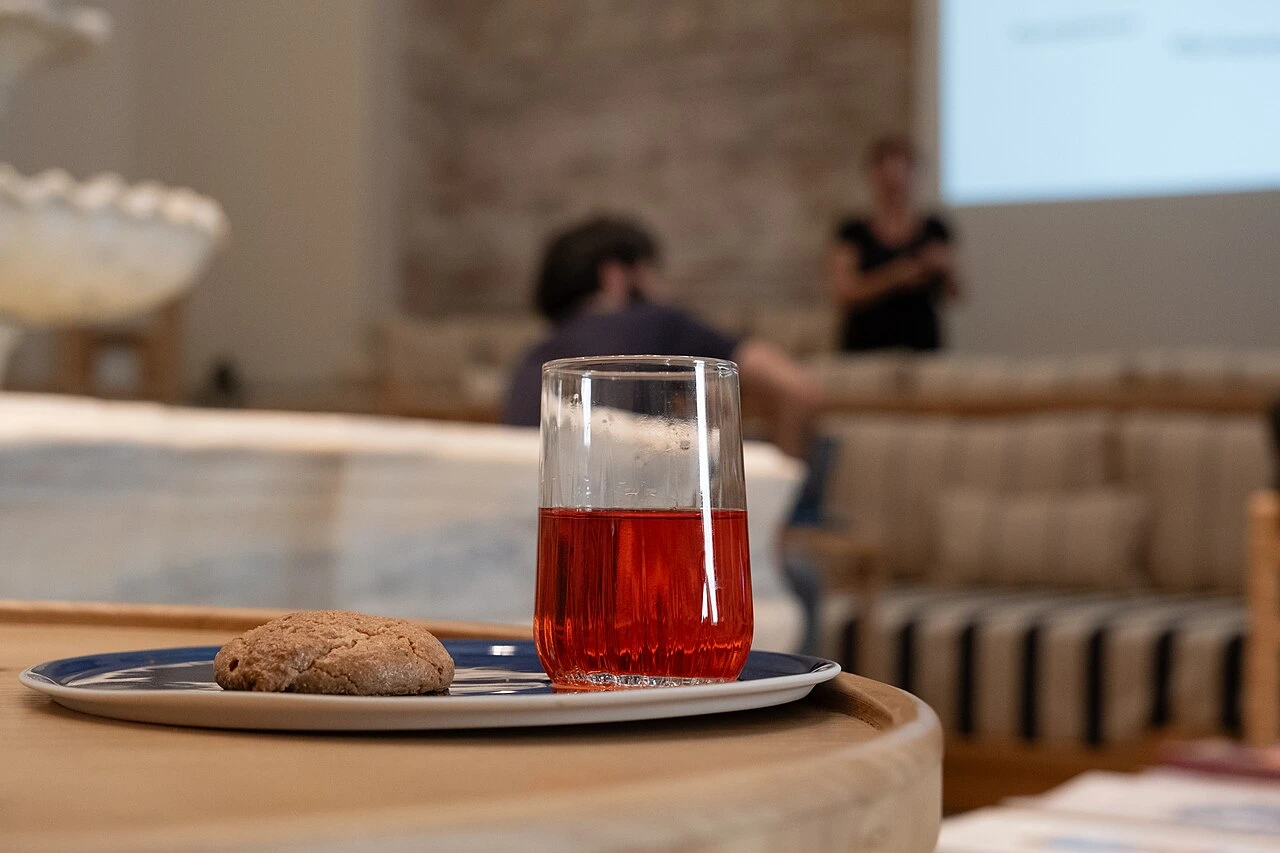
Sherbet
Fruits, flowers and other aromatic ingredients could be used to prepare sweet drinks. Sherbet held a place in both palace and wider social life. Ingredients, concentration and presentation varied according to the particular beverage and the occasion for serving it.
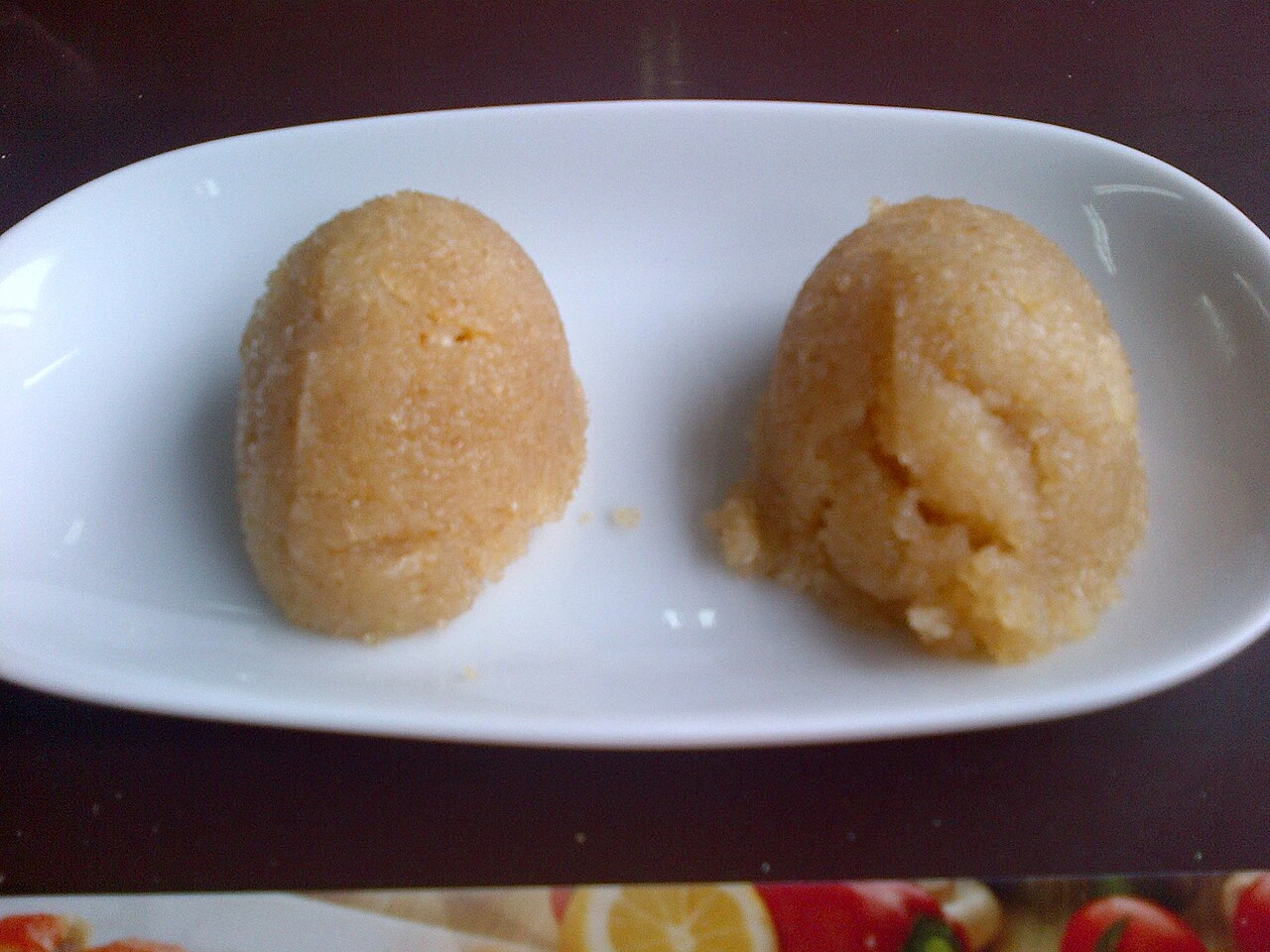
Halva
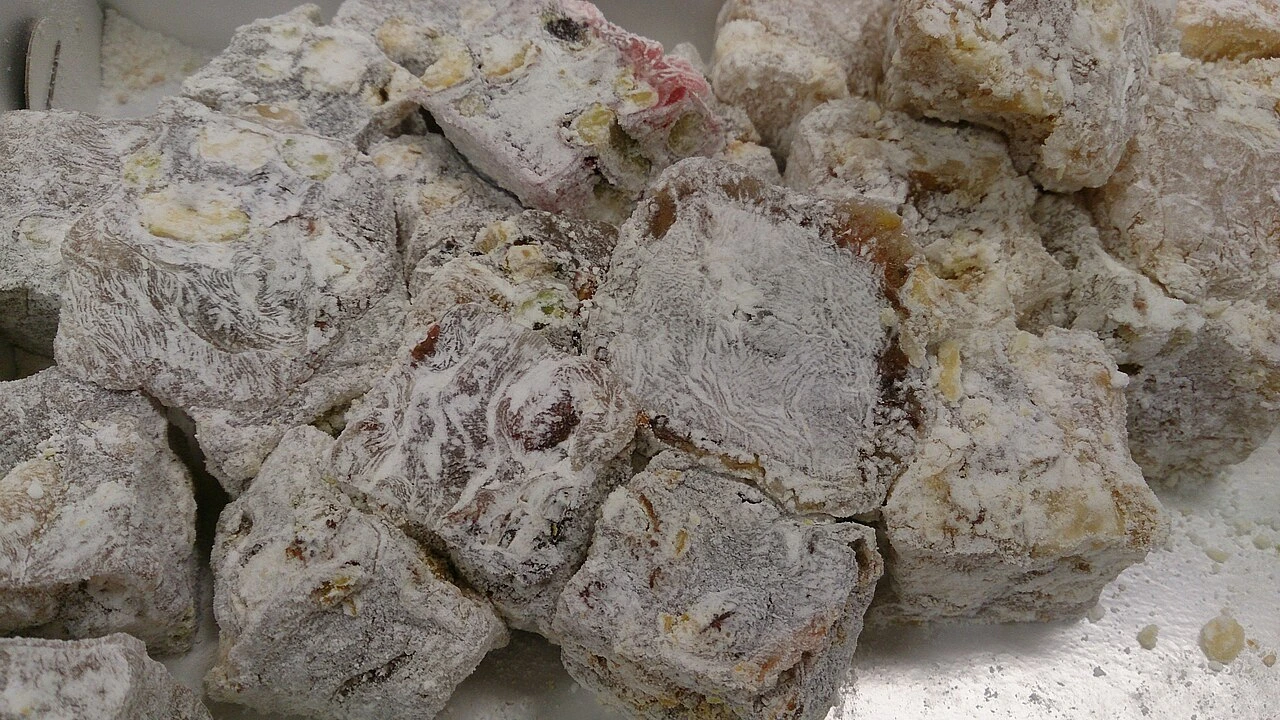
The name encompasses sweets made with different ingredients and methods. It offers an introduction to specialised confectionery production and the importance of sweet foods. A single modern halva cannot represent the full diversity discussed in historical accounts.
When choosing an Ottoman inspired meal in Göreme, ask which period or written source informed the kitchen. A cook might preserve a technique while replacing an ingredient with a local seasonal product. Explaining those decisions makes the encounter more rewarding. History then becomes a conversation with the present, allowing guests to appreciate research and craftsmanship together at the table.