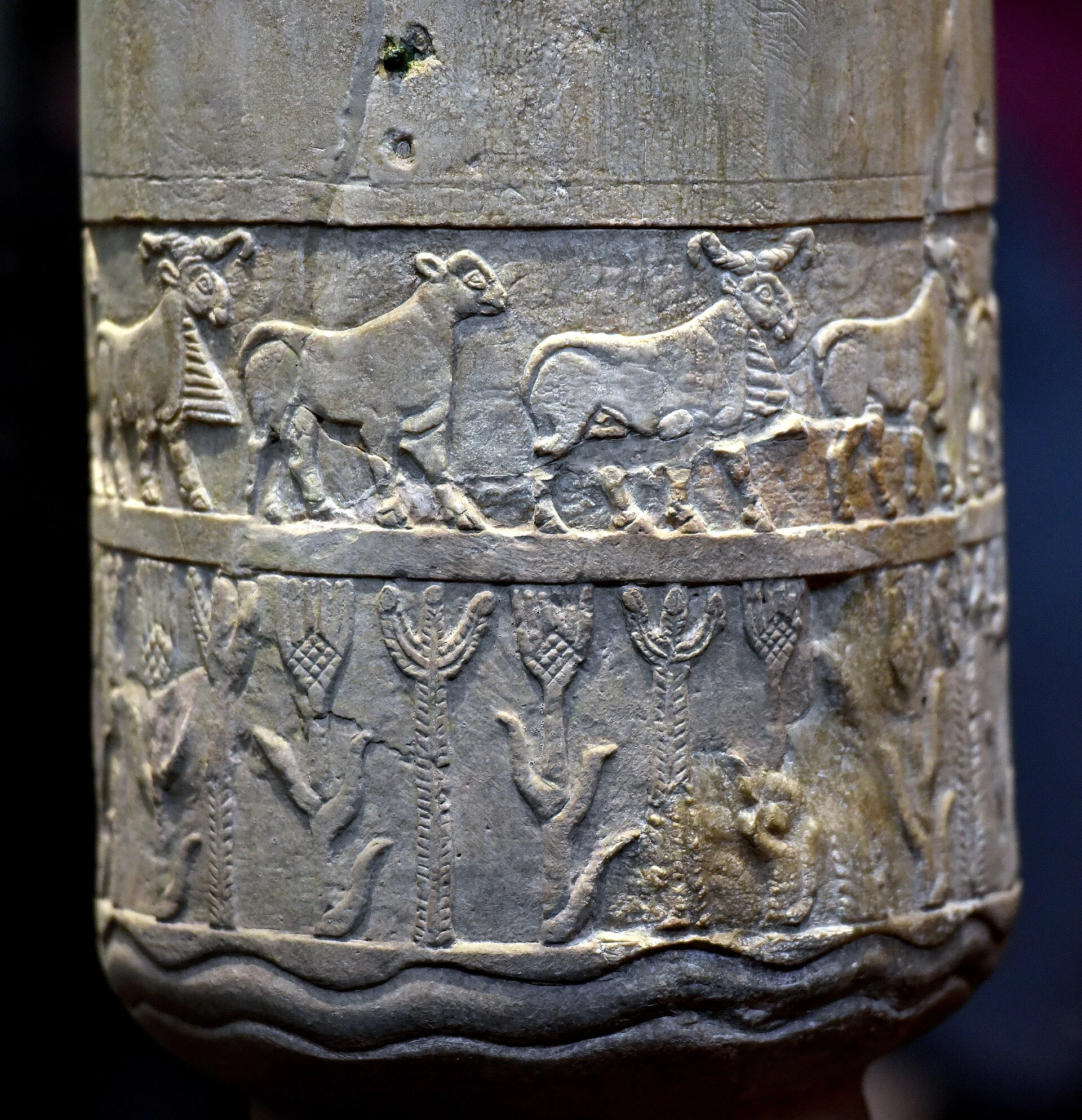
Understanding Sumerian food means reading a landscape before imagining a menu. In southern Mesopotamia, fields, waterways, households, temples and storehouses belonged to a food economy. Grain reached the table through irrigation, harvesting, processing and distribution. These operations can tell us more about daily life than an imagined royal banquet. Food was both nourishment and an organised resource.
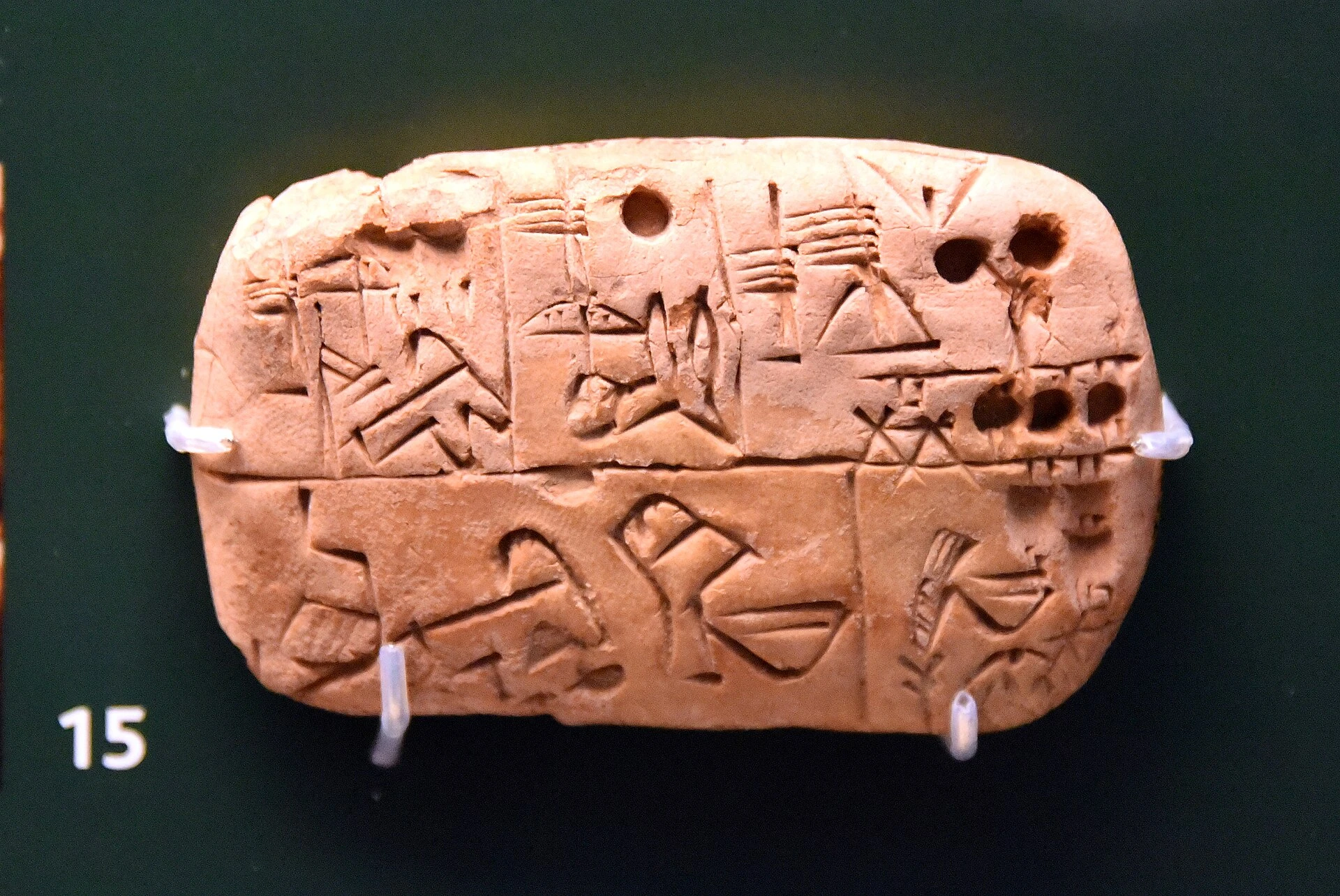
Barley occupied a central position. Its suitability for the saline conditions of lower Mesopotamia helped make it an important crop. A ration tablet in the British Museum records barley distributed to workers and their children, with different allocations for adults and younger recipients. Such records reveal food entering administrative systems rather than remaining within private households.
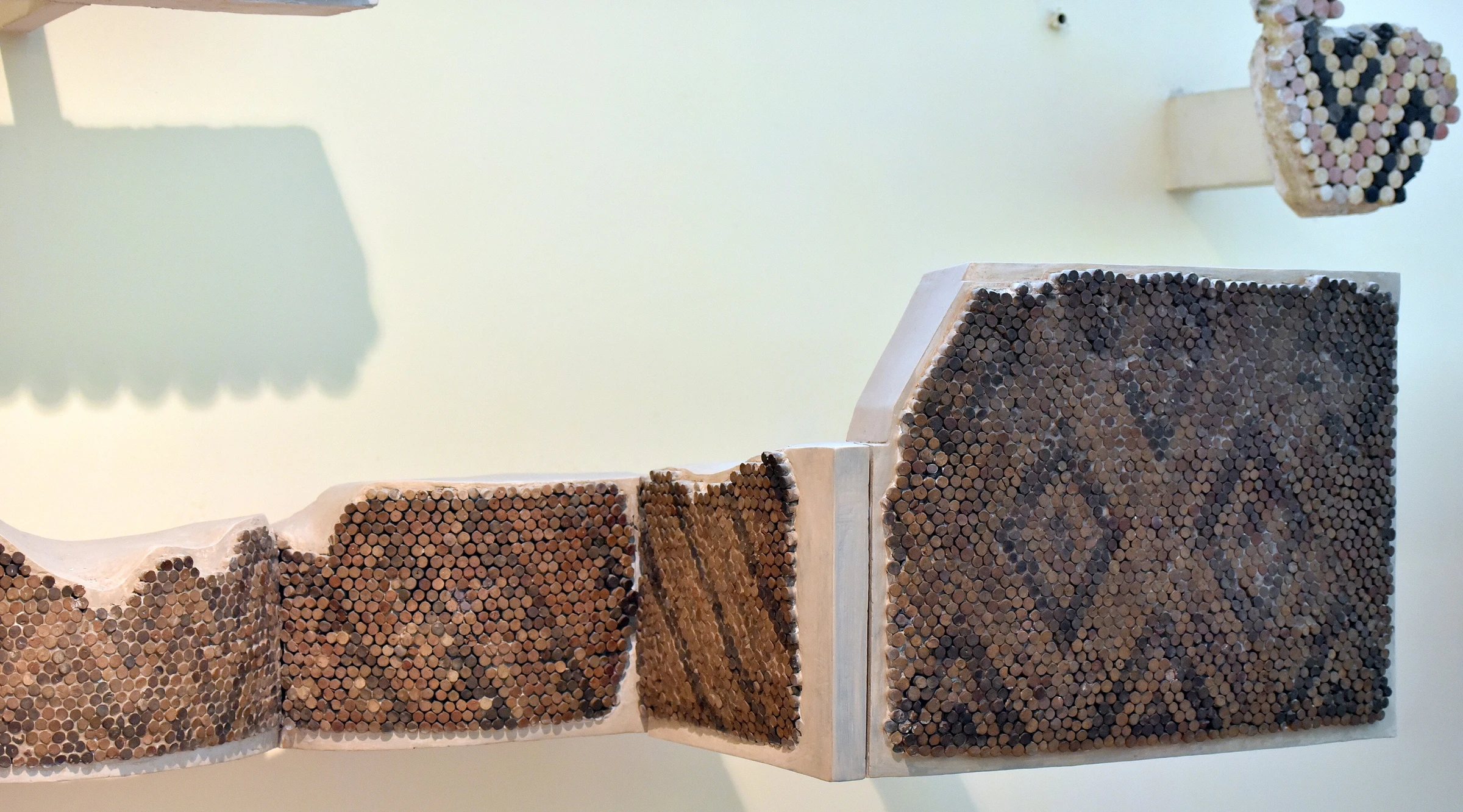
Bread and beer were different expressions of this cereal economy. Penn Museum scholarship identifies Sumerian documentation of brewing from the third millennium BCE. Nevertheless, an ancient beverage should not automatically be pictured as a clear modern lager. Ingredients, processing and serving practices varied, and surviving words do not always translate neatly into contemporary culinary categories. Archaeological interpretation requires patience with these differences.
Dates introduce another dimension. Fruits that could be stored helped extend the usefulness of seasonal harvests. Mesopotamian food production also depended on ecological variety: the Lagash project describes a setting combining cultivated alluvial land and resourceful marshes. This surrounding landscape matters because a city was supplied by more than one agricultural environment. Reconstructing its diet involves looking beyond monumental buildings.
Chronology is important when discussing famous ancient recipes. The well known cooking tablets held at Yale belong to the later Old Babylonian tradition; they should not be relabelled as a surviving Sumerian cookbook. A shared region does not make every period culturally identical. The following five entries therefore identify documented foods and products, rather than claiming five unchanged signature dishes.
At the heart of the table
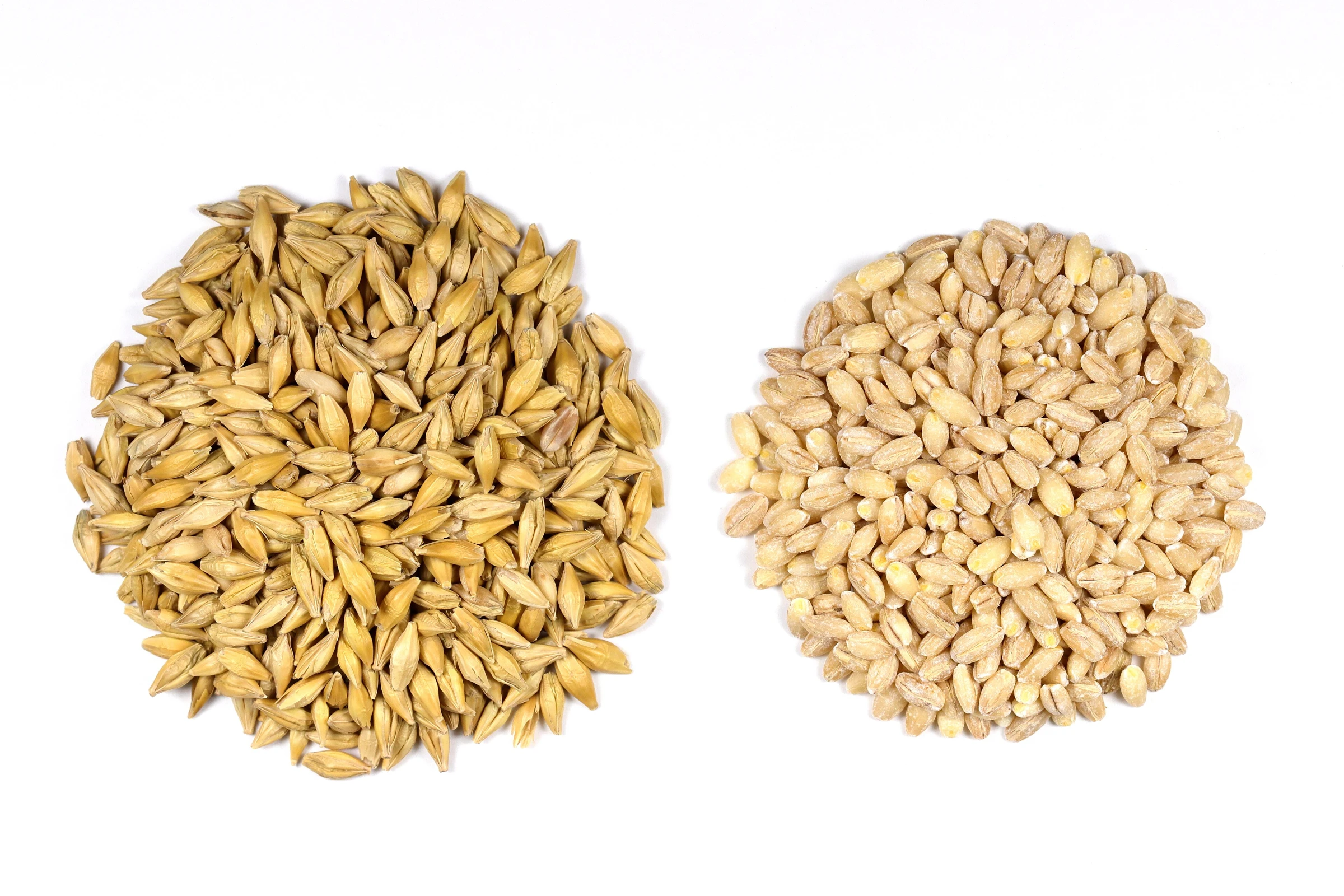
Barley
A major crop connecting fields, stores and ration accounts. Its importance reflects environmental conditions and institutional organisation as well as the practical requirements of feeding urban populations.

Grain bread
Bread represents the transformation of harvested cereals into a prepared food. Its ancient varieties should not be assumed to share every feature of the loaves sold by modern bakeries.

Cereal beer
Brewing appears in Sumerian records and belonged within wider economic and social life. It offers a useful introduction to fermentation without requiring an invented modern recipe.
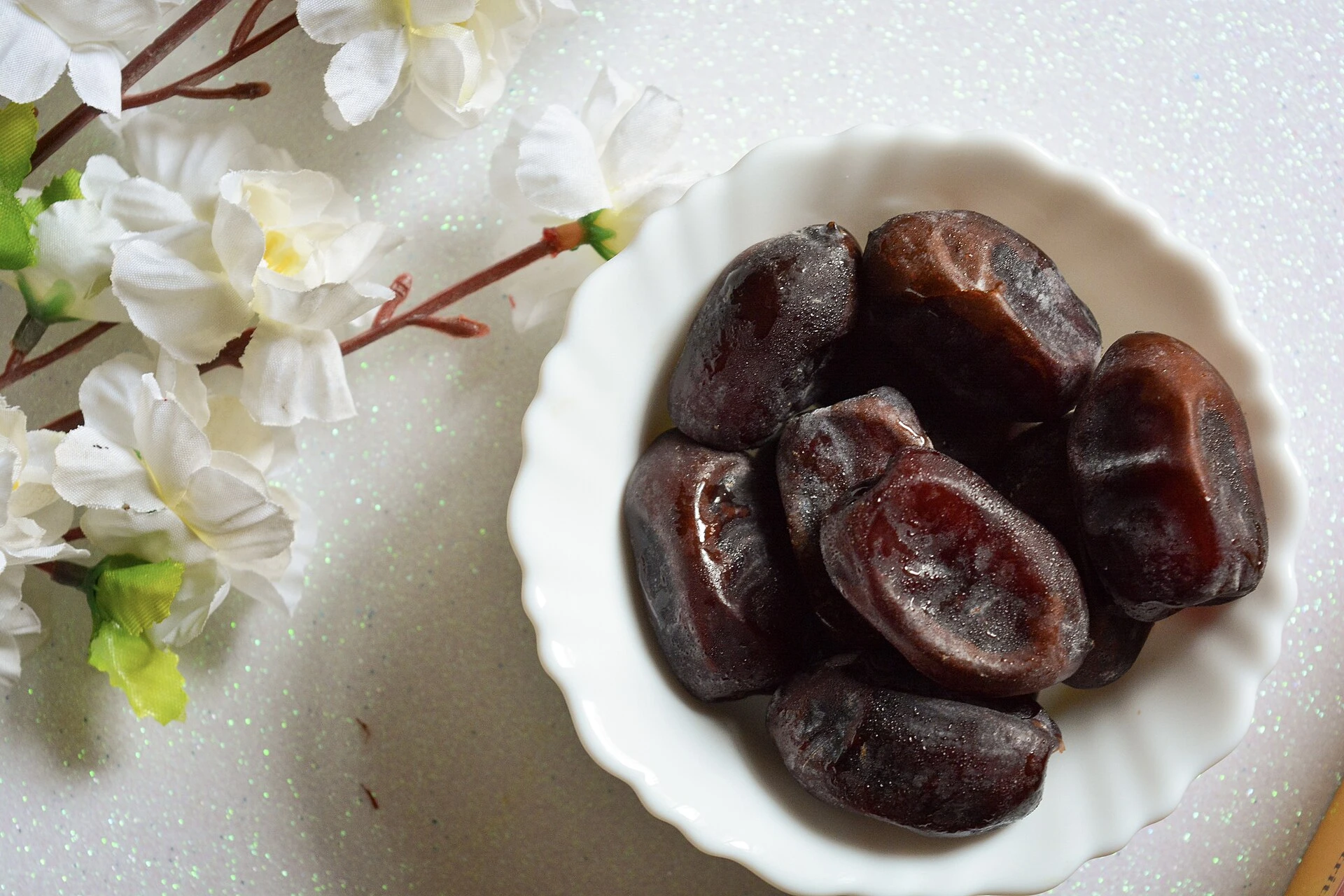
Dates
An important Mesopotamian crop available across social divisions. Their value as a storable fruit makes them helpful for understanding the relationship between agriculture, seasonality and everyday eating.
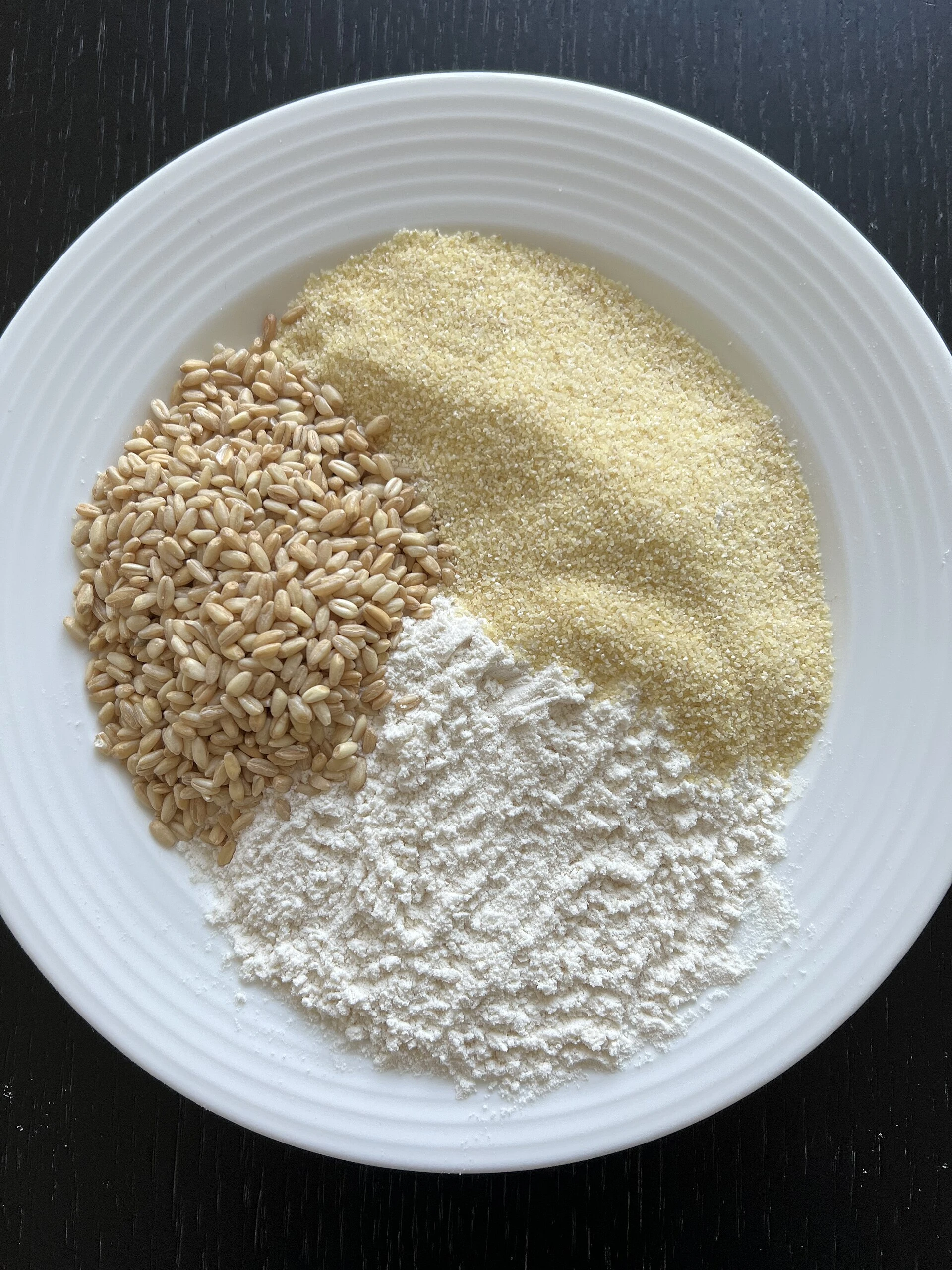
Wheat
Another known cereal, alongside barley. Choosing crops involved soil conditions and economic priorities, reminding us that culinary history begins with production rather than with dining alone.
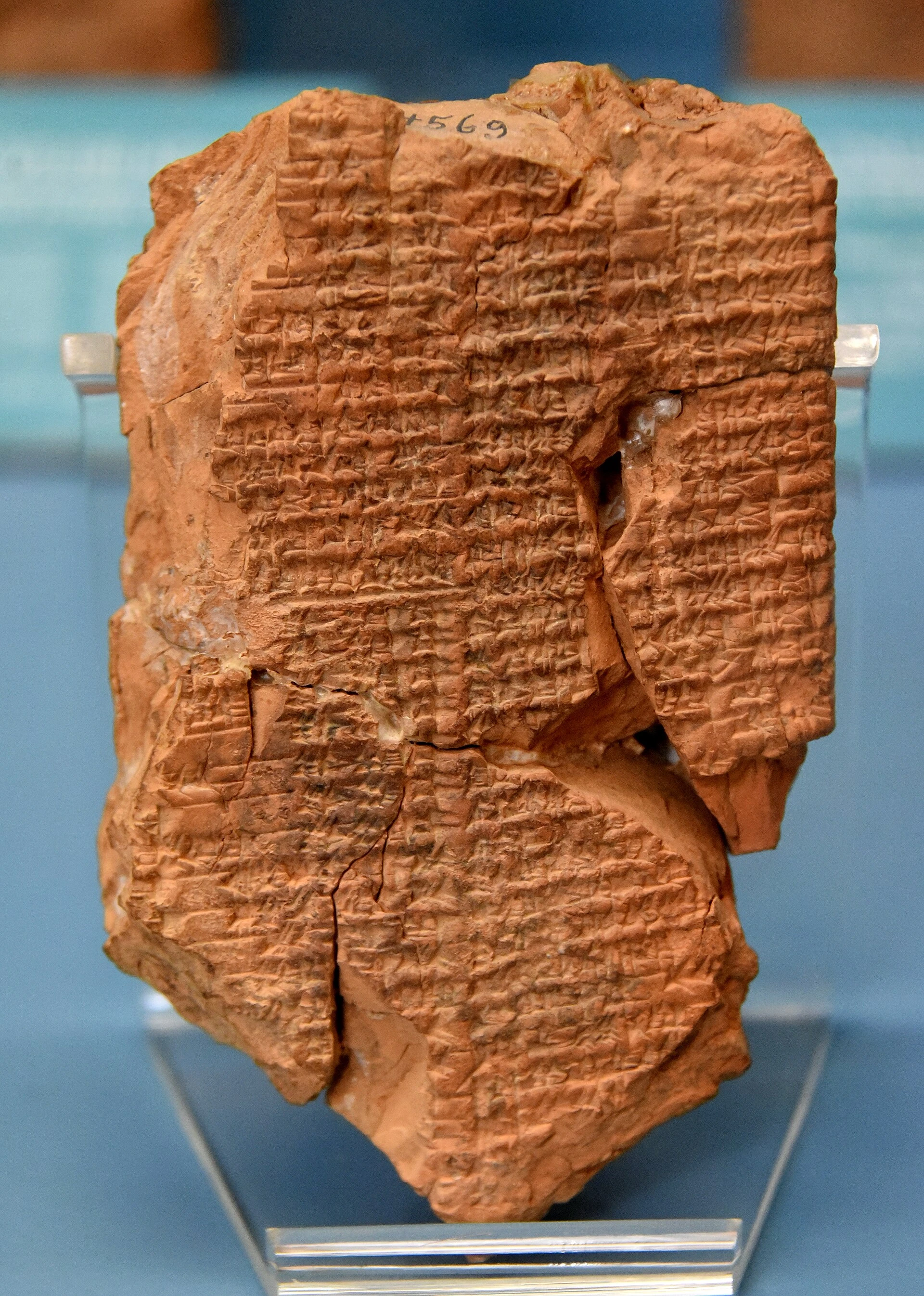

A grain dish or bakery visit in Cappadocia can prompt reflection on this much longer agricultural past. Similar ingredients, however, do not prove that a particular recipe travelled unchanged across millennia. The more rewarding connection concerns human decisions: managing water, storing harvests, organising labour and sharing food. A modest clay account can illuminate these choices more clearly than a spectacular but speculative reconstruction.