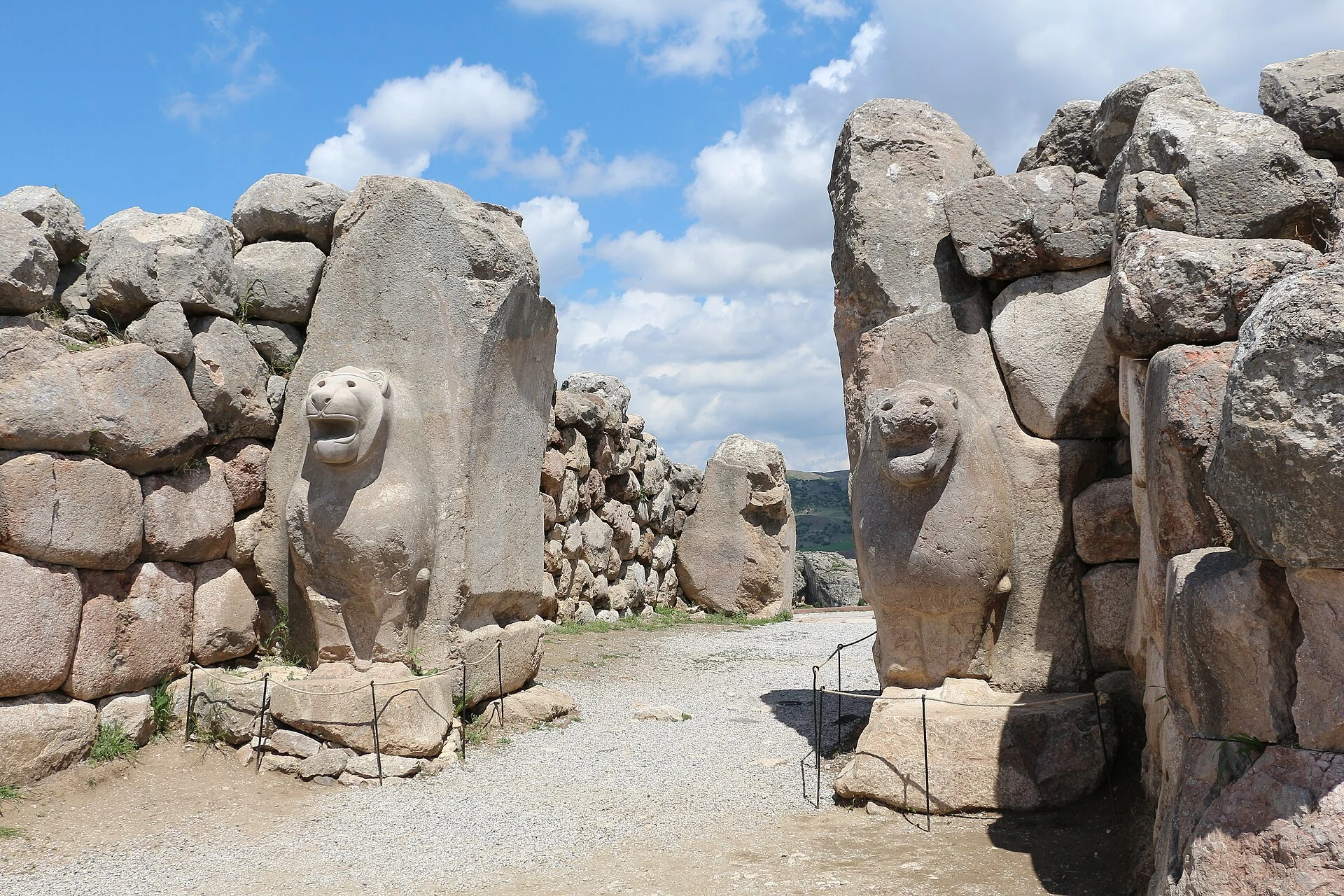
Understanding Hittite food begins with cuneiform tablets, agricultural remains and kitchen equipment, rather than modern restaurant menus. In second millennium Anatolia, food belonged within systems of production, storage and distribution. Surviving documents do not describe every household equally. Religious ceremonies are particularly visible in the written record. An ingredient offered to a deity was not necessarily eaten in comparable quantities by an ordinary family every day.
Grain stood near the centre of this world. Texts concerning mills and grinding stones reveal labour behind bread. Turning harvested grain into flour required work very different from the speed of an electric kitchen appliance. Bread was therefore more than nourishment: it also participated in work arrangements, resource management and ceremonial distribution.
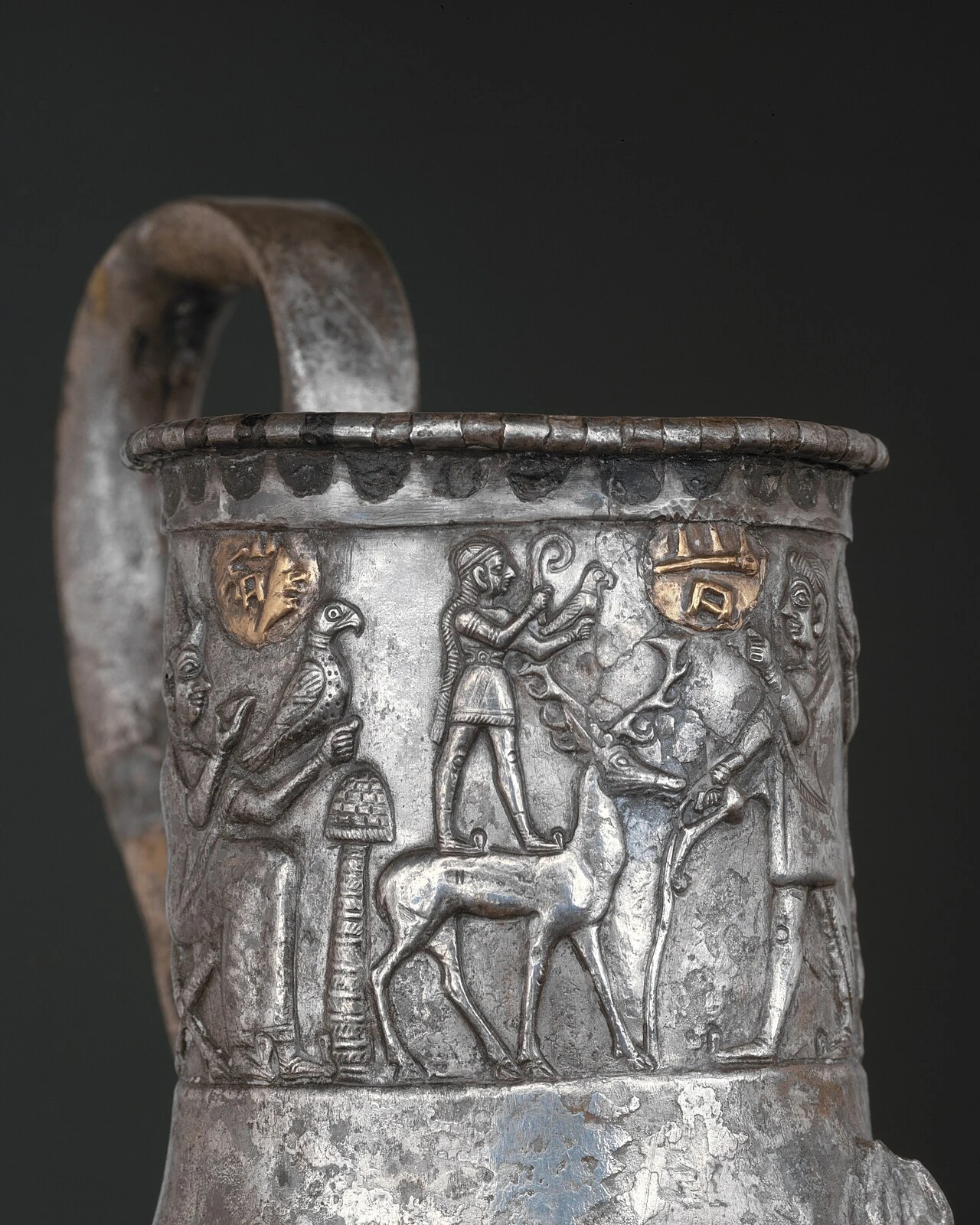
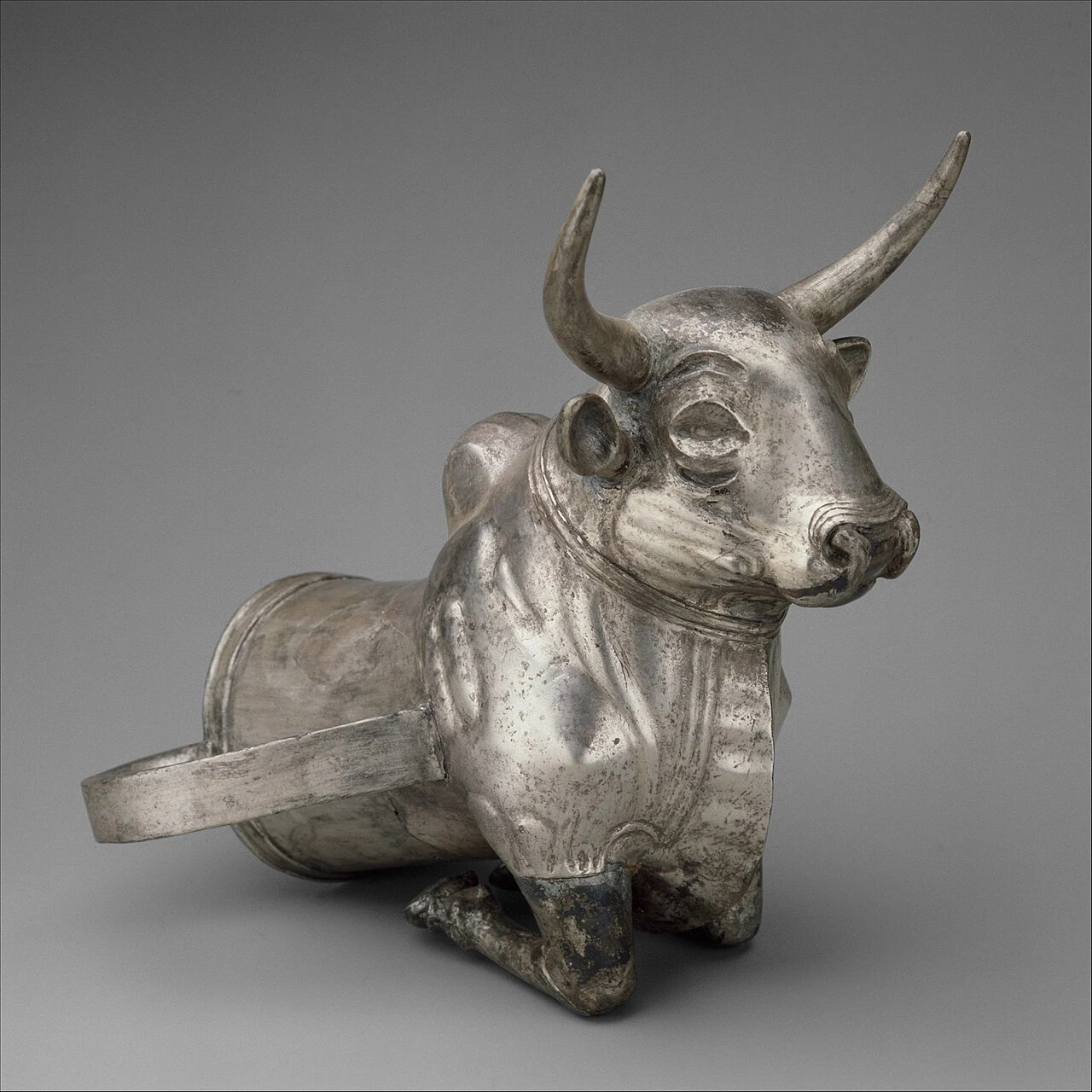
Researchers encounter many bread names, but a name does not always preserve a complete recipe. Shape, flour, additions or ritual function may explain distinctions. Rather than building a spectacular menu around an apparently precise number of varieties, ask what the sources actually establish. Translating an ancient term into a familiar culinary category can itself involve interpretation.
Studies of honey and beekeeping show a product used in foods while also carrying religious significance. Research on brewing considers texts alongside possible production processes. These approaches extend food history beyond ingredient lists into fermentation, storage, distribution and presentation. A contemporary experimental recipe still cannot recover an ancient flavour with certainty. At best, it offers a proposal that can be tested against evidence and revised when new information appears.
At the heart of the table
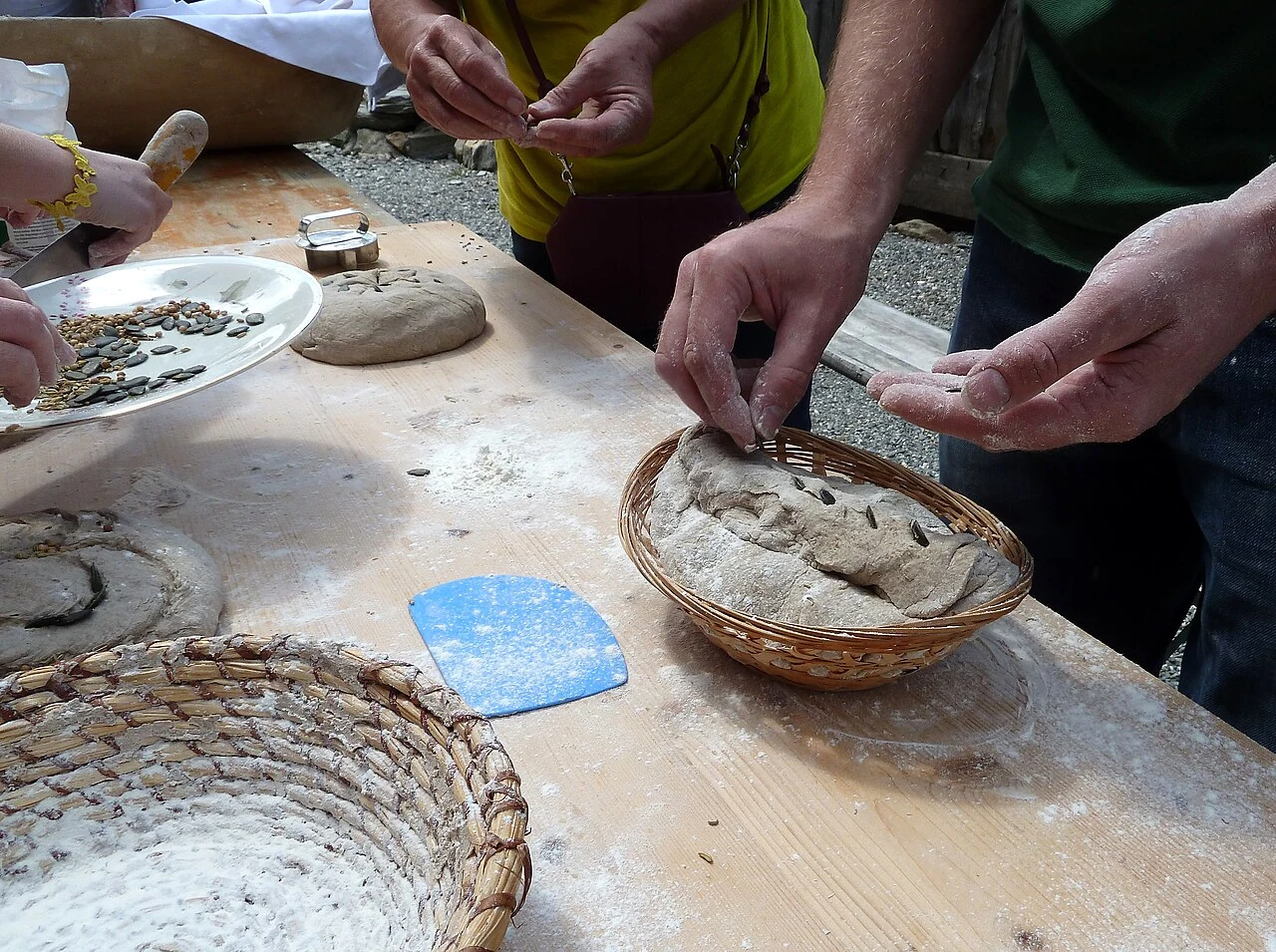
Grain breads
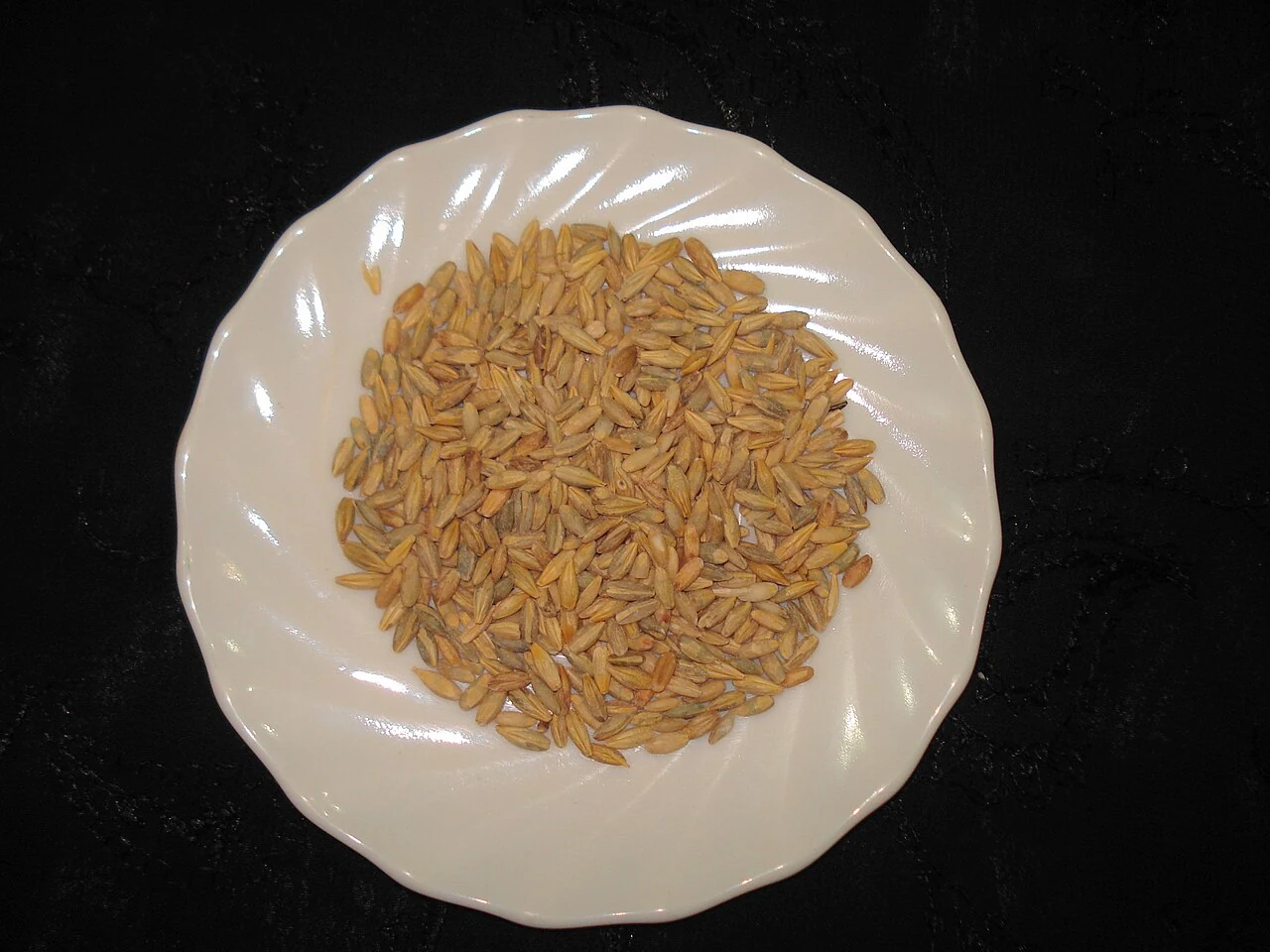
Breads prepared from cereals including wheat and barley were fundamental foods. Written sources distinguish different types. Presenting a particular modern regional loaf as a direct Hittite recipe requires stronger evidence than the general historical importance of bread making.
Barley beer
Beer features prominently in ceremonial texts. Studies of production and consumption caution against identifying it with a clear modern beer. Ancient texture, composition and serving methods cannot always be established precisely, even where the presence of the drink is secure.
Honey
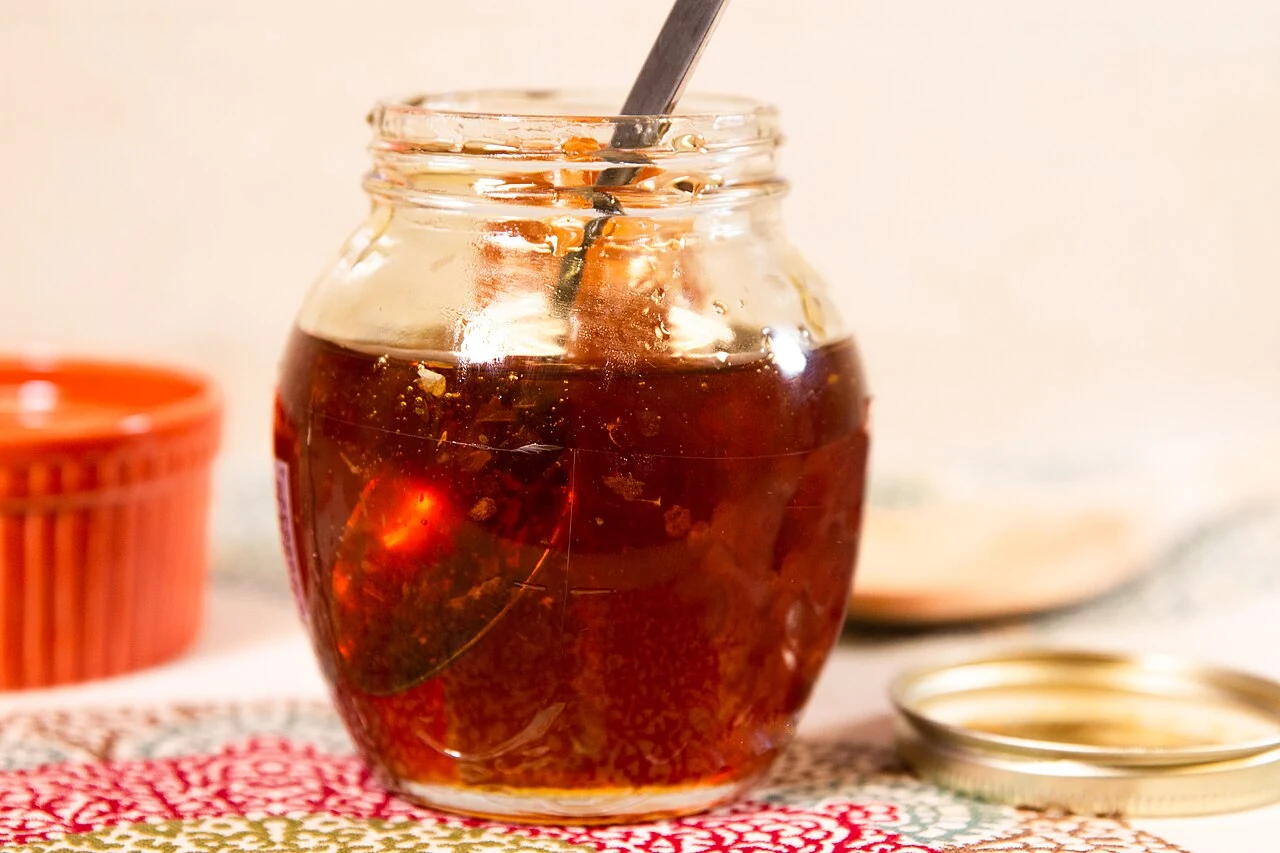
Honey is documented as an addition to bread and certain drinks. It also appears in offerings and symbolic practices. This combination illustrates how an ingredient’s everyday usefulness could coexist with meanings extending into religious life and ceremonial communication.
Grapes and wine
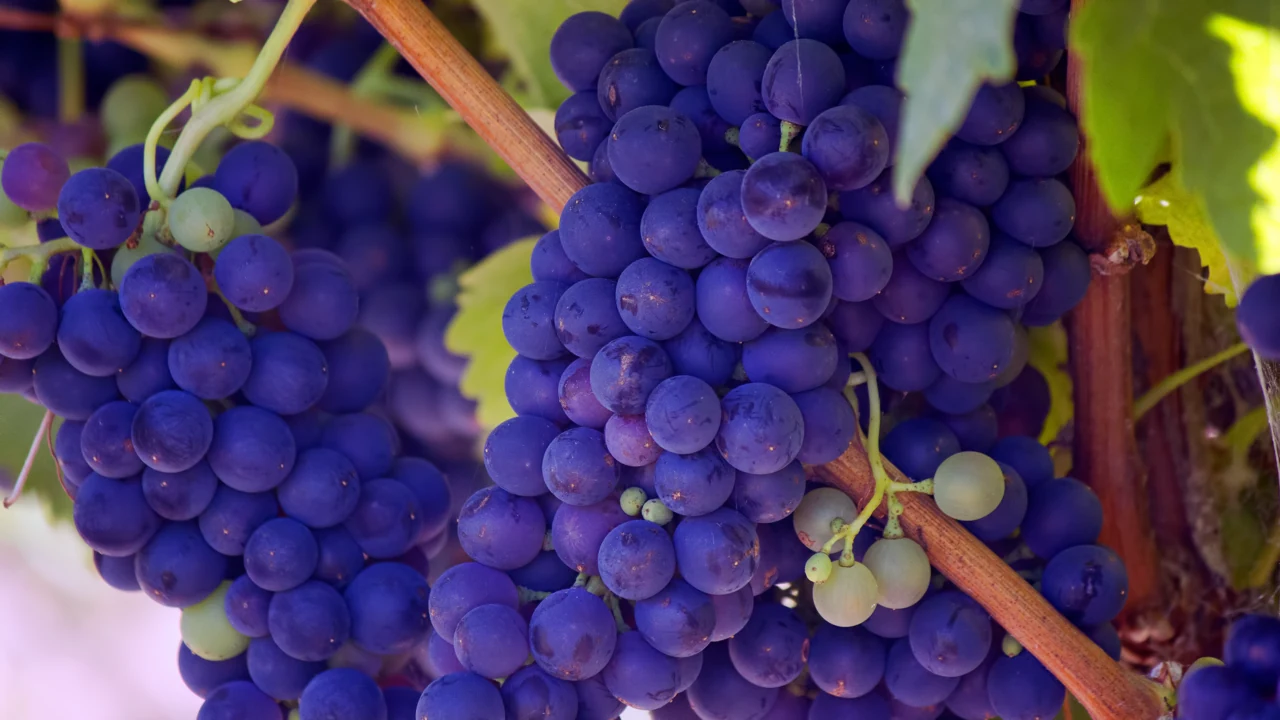
Vine products and wine occur among recorded Hittite foods and drinks. Their ceremonial uses broaden the story beyond nourishment. Connecting a specific grape grown in contemporary Cappadocia directly to the Hittite period would require independent evidence, not merely regional continuity.
Cheese
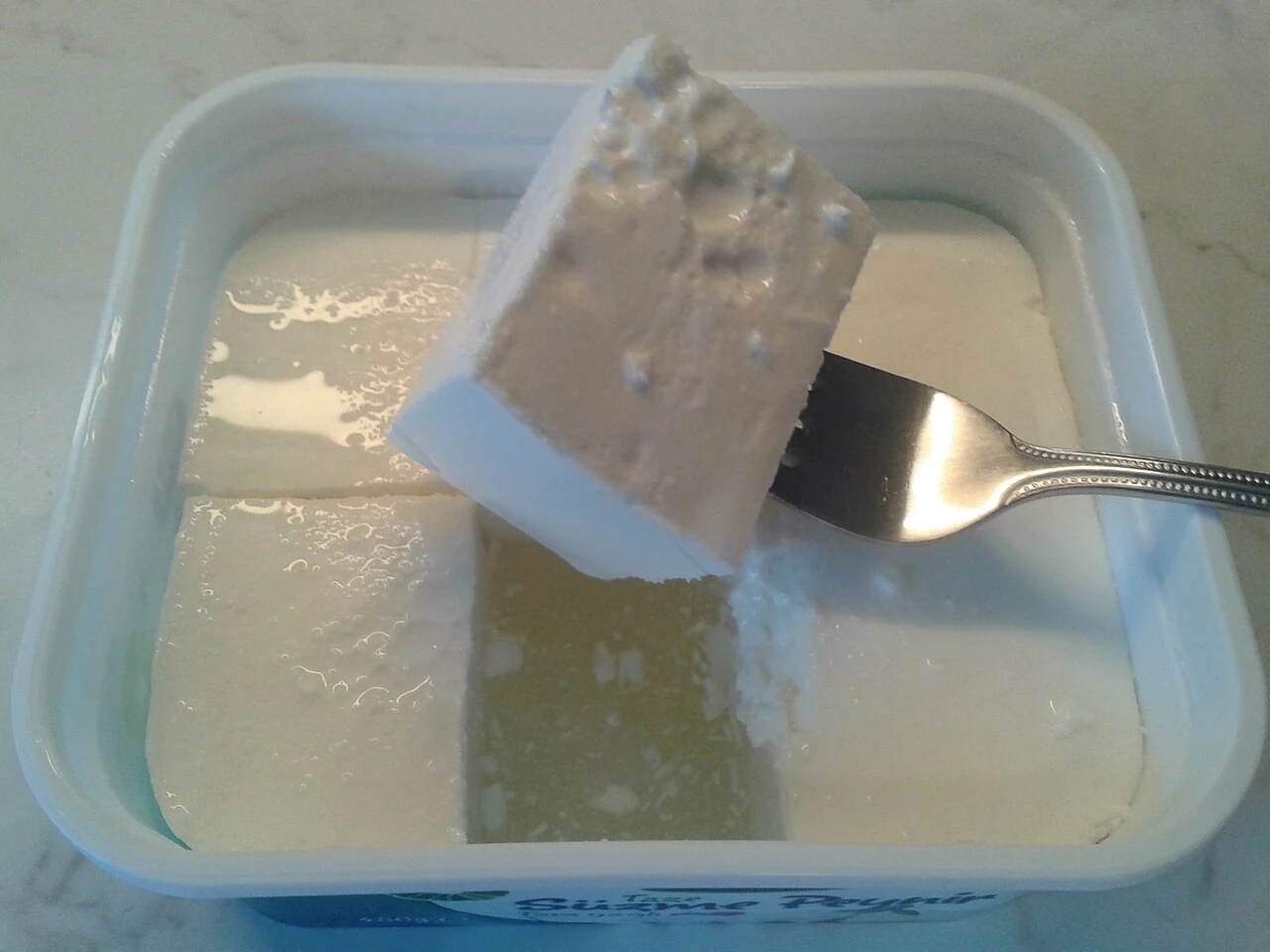
Dairy products complemented a food economy combining grain cultivation and animal husbandry. Cheese in offering lists provides useful evidence. It does not authorise us to project a named modern cheese, with an identical recipe and production method, into Bronze Age kitchens.
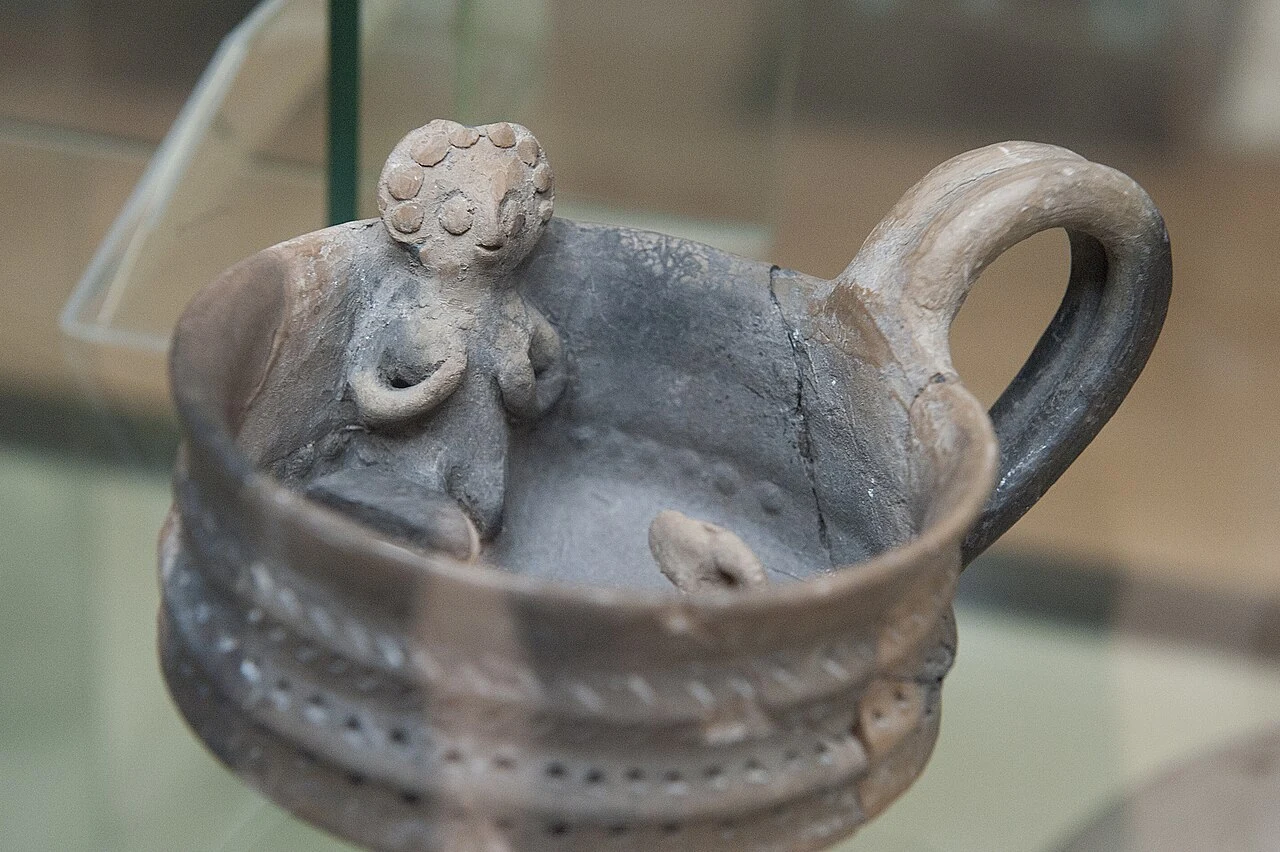
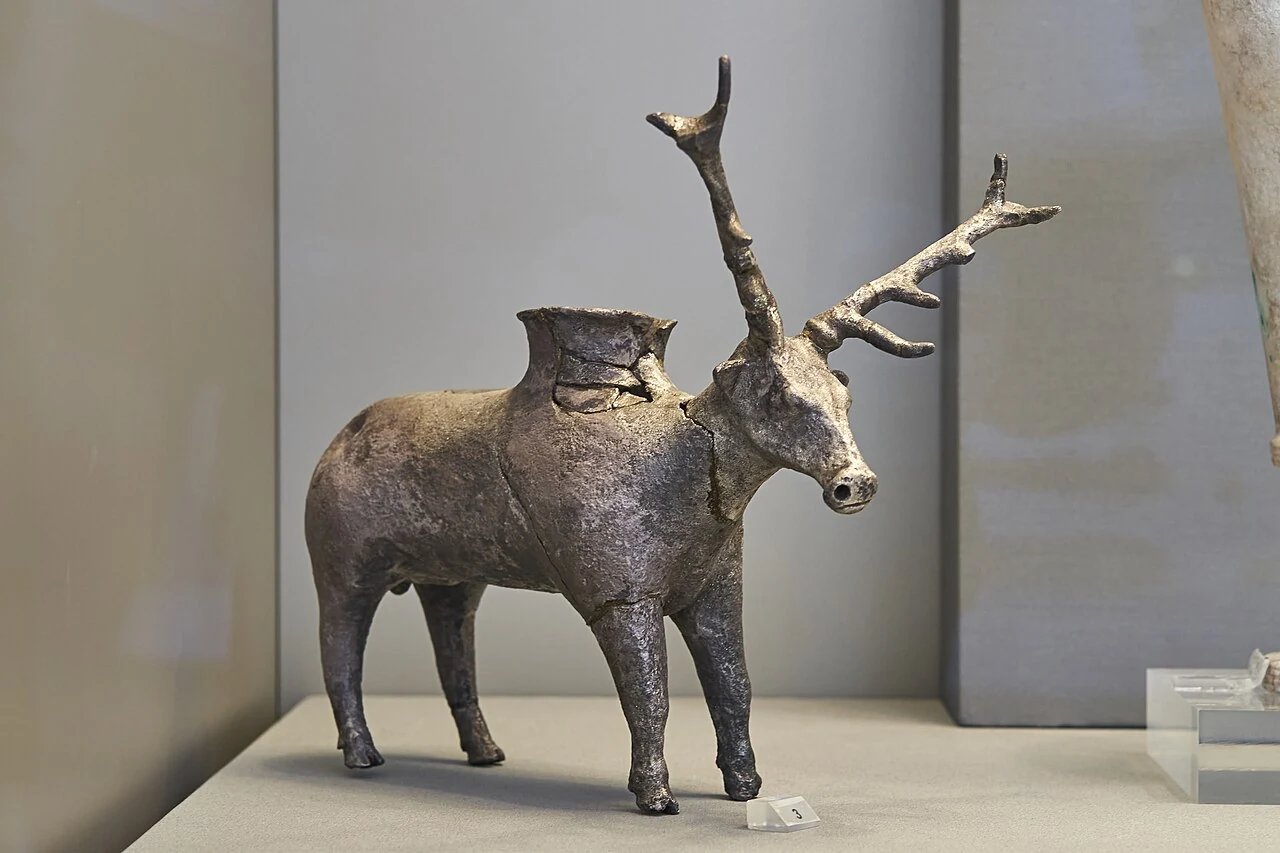
When encountering a Hittite inspired meal in Cappadocia, distinguish contemporary creativity from archaeological reconstruction. A table bringing together grain, honey, grapes and dairy can stimulate curiosity about the past. Its greatest value lies in connecting that curiosity with evidence, while identifying the places where modern imagination completes an incomplete historical picture.